How to Play Snooker: Rules, Setup and Scoring for Beginners
Learn how to set up a snooker table, alternate reds and colours, count points and complete your first frame with confidence.
Read the guide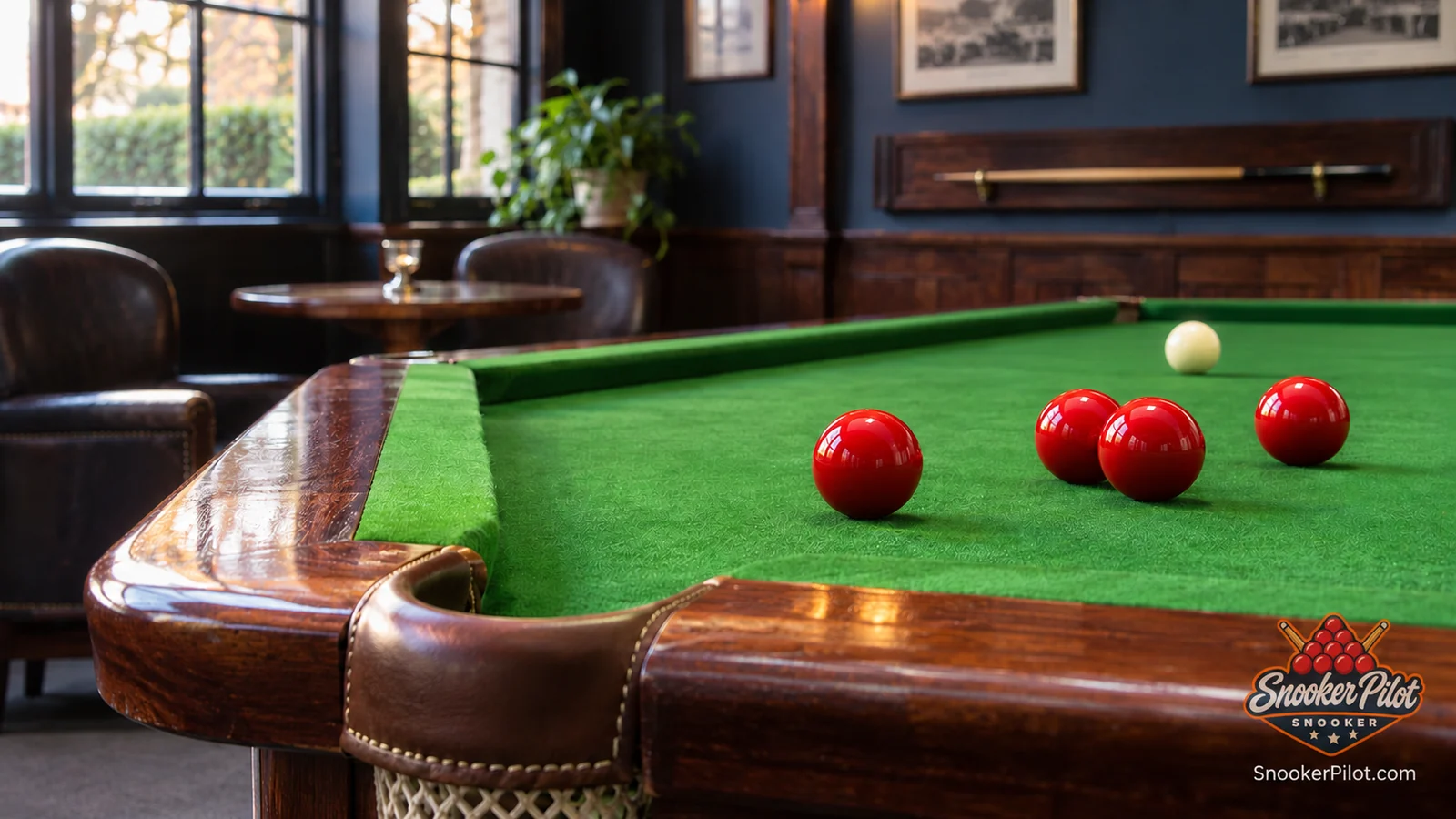

Rules you can settle. Practice you can use. Ideas for a better-run club. Explore our guides for players, fans and club owners.
Learn how to set up a snooker table, alternate reds and colours, count points and complete your first frame with confidence.
Read the guideLearn how to set up a snooker table, alternate reds and colours, count points and complete your first frame with confidence.
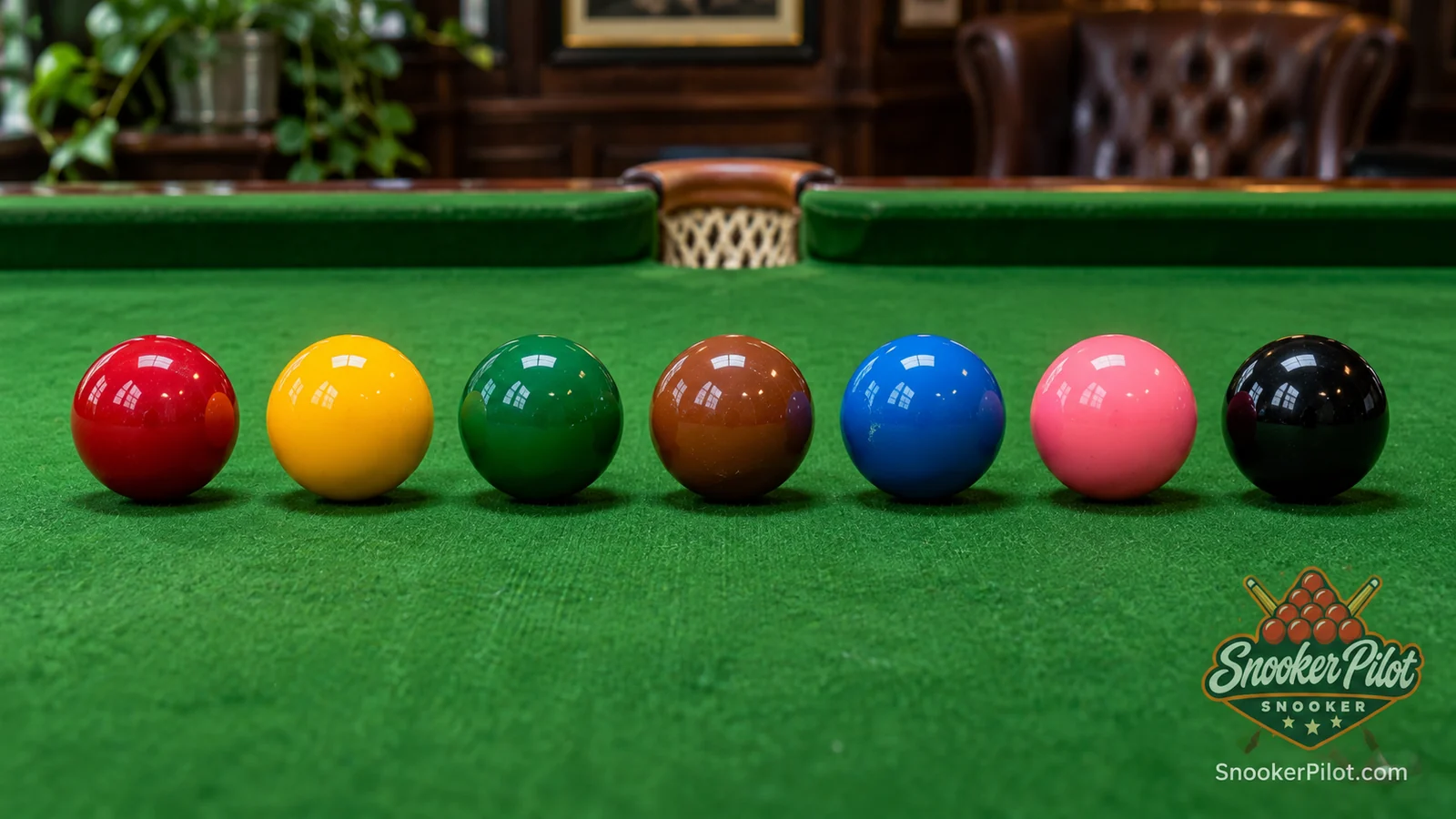
Understand every snooker ball’s point value, the final colour sequence and the difference between a break, a frame score and penalty points.
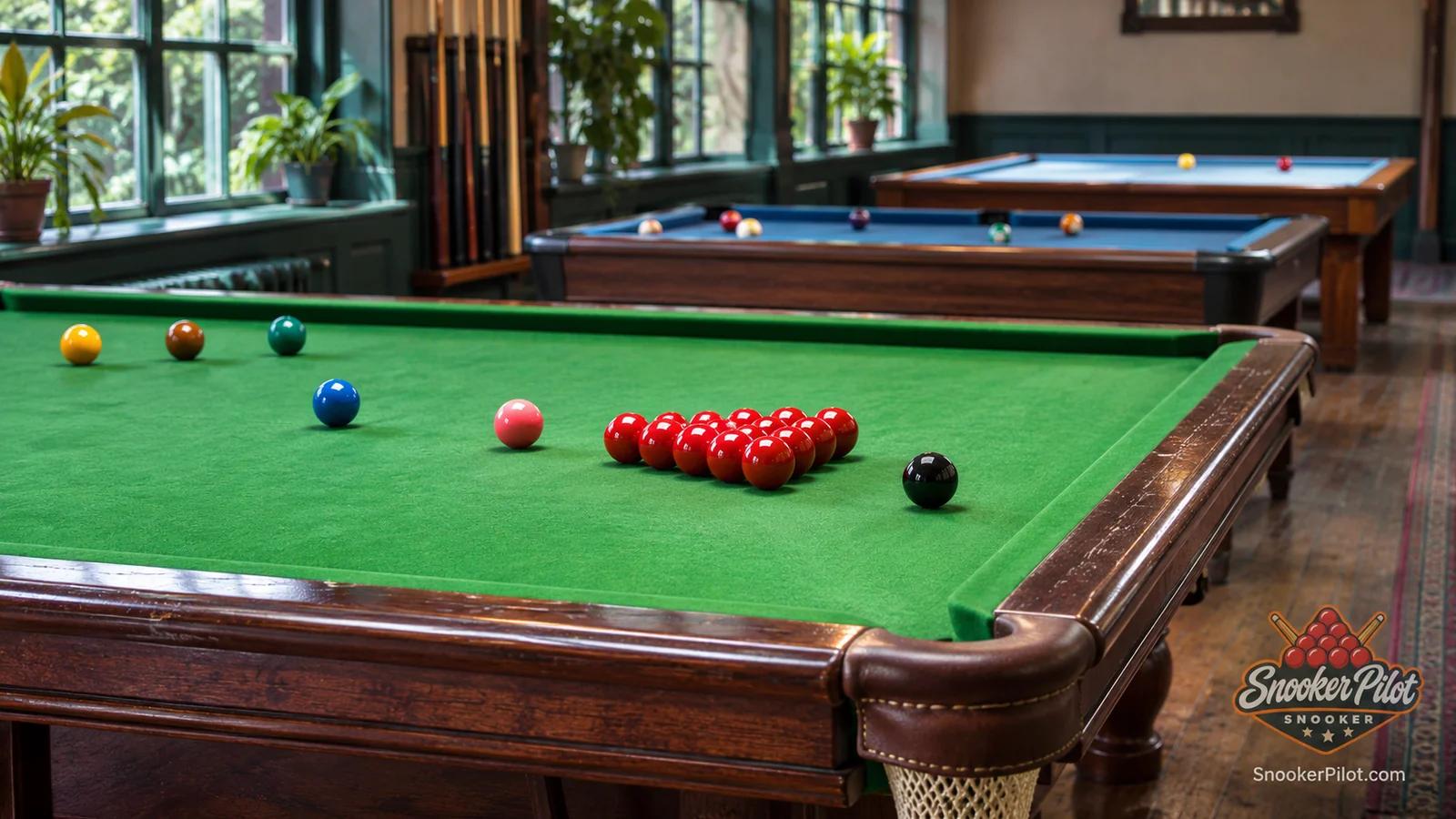
Compare snooker, pool and English billiards by balls, table, scoring and the experience you can expect at a cue-sports club.
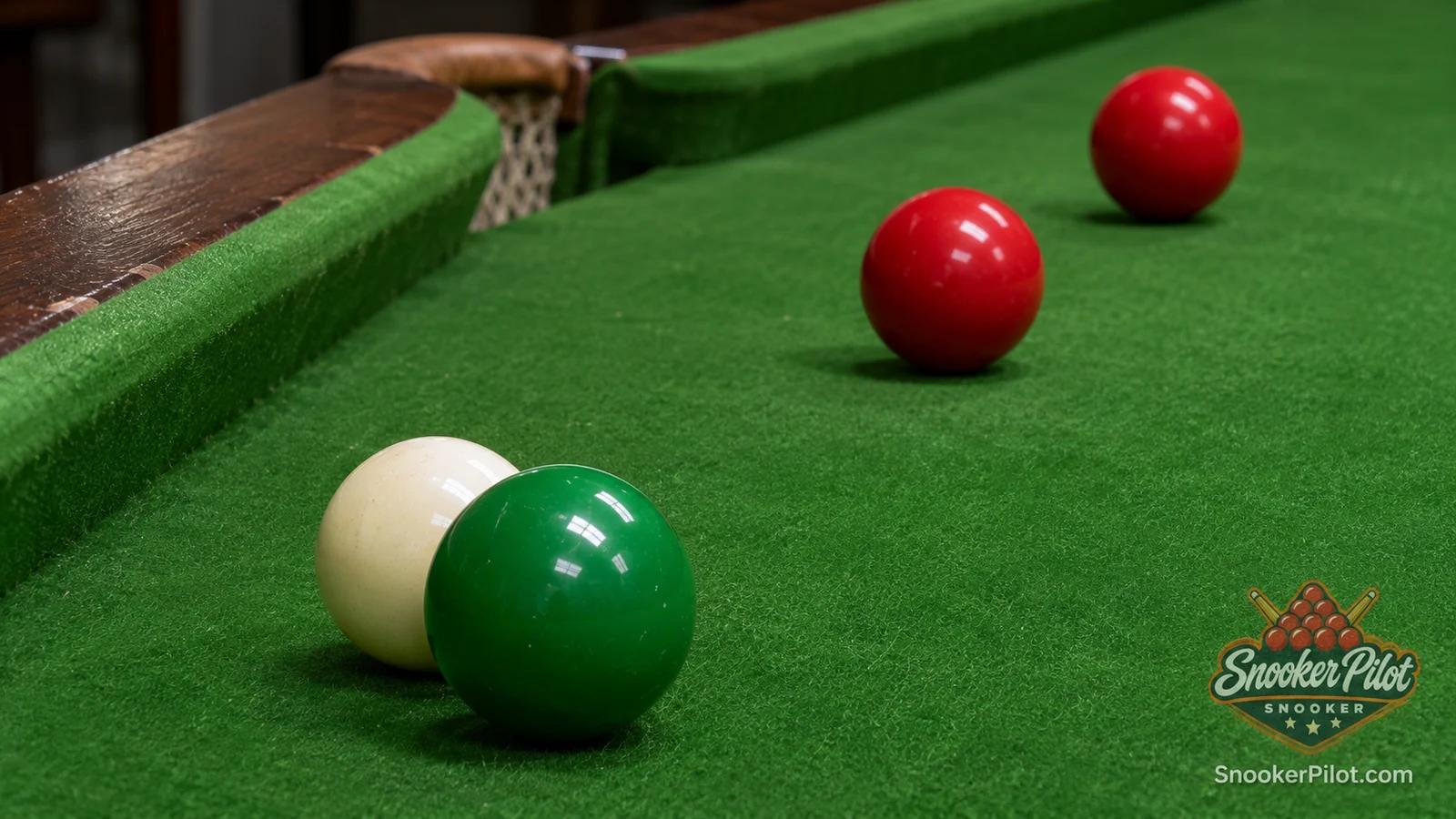
Learn when a free ball can be awarded, how nomination and scoring work, and why a free ball is different from a free shot.
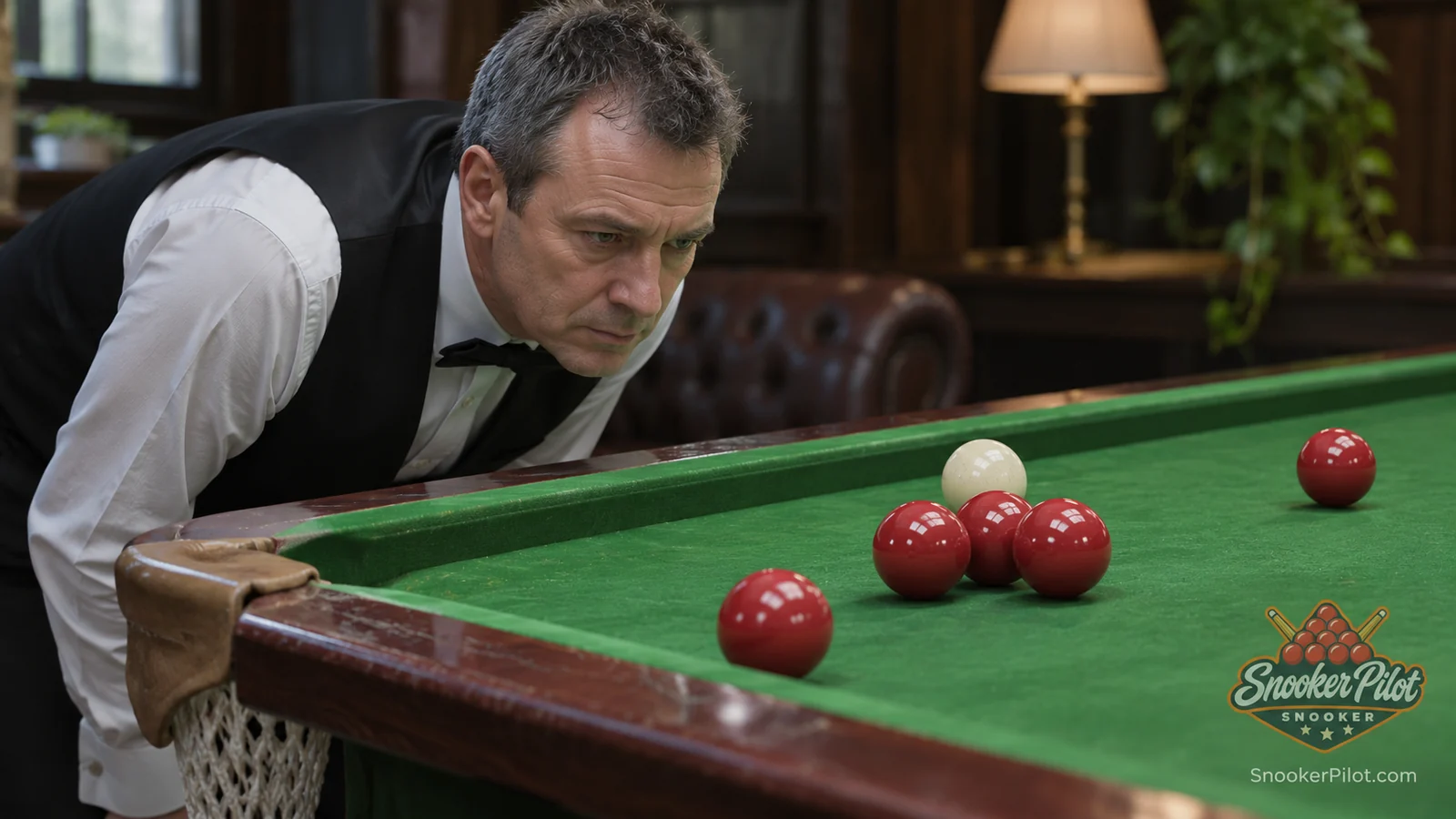
Separate an ordinary foul from a foul and a miss, understand replay choices and avoid the common three-foul misunderstanding.
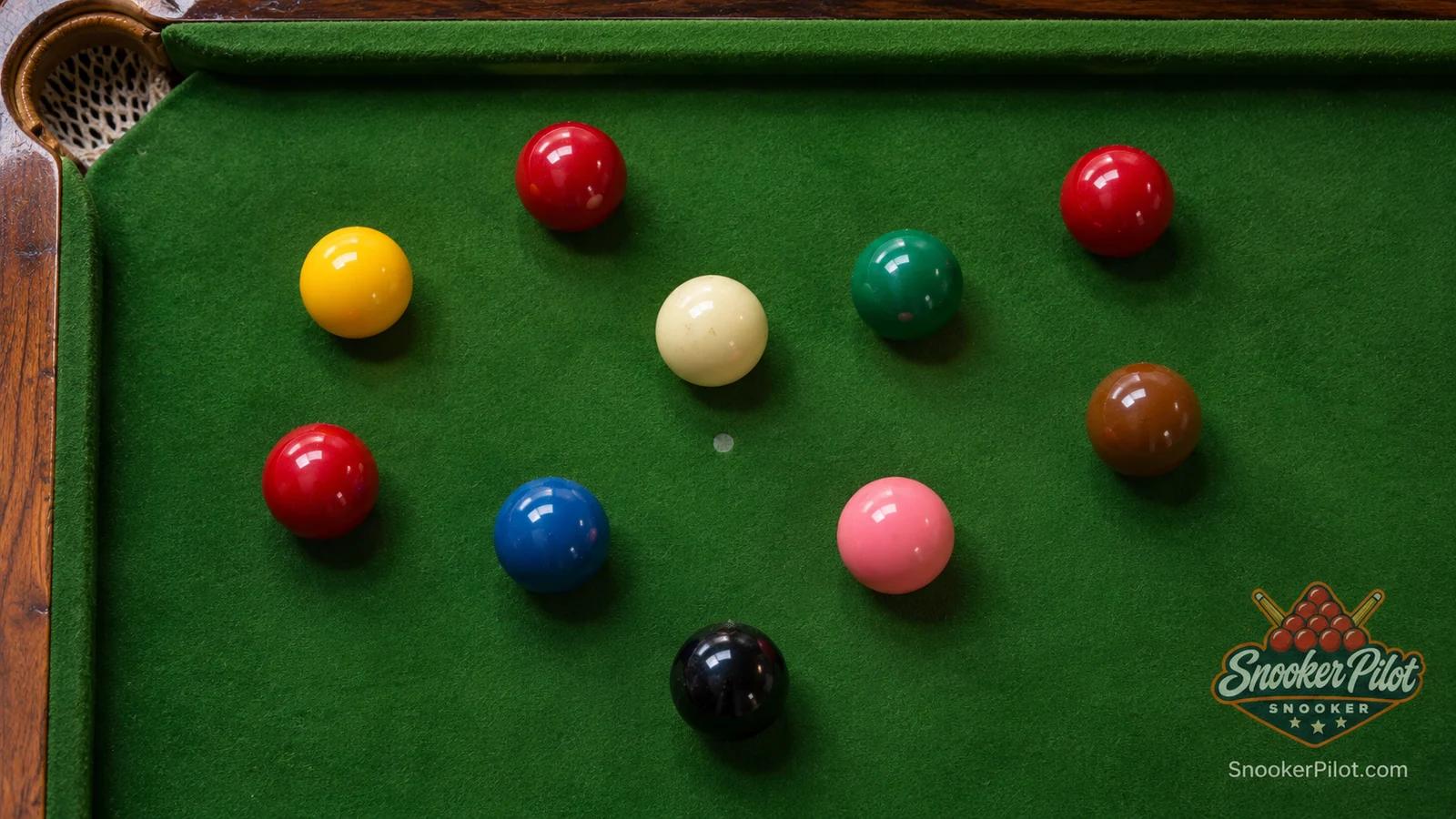
Work out the points left on a snooker table, compare them with the score gap and understand what “snookers required” really means.
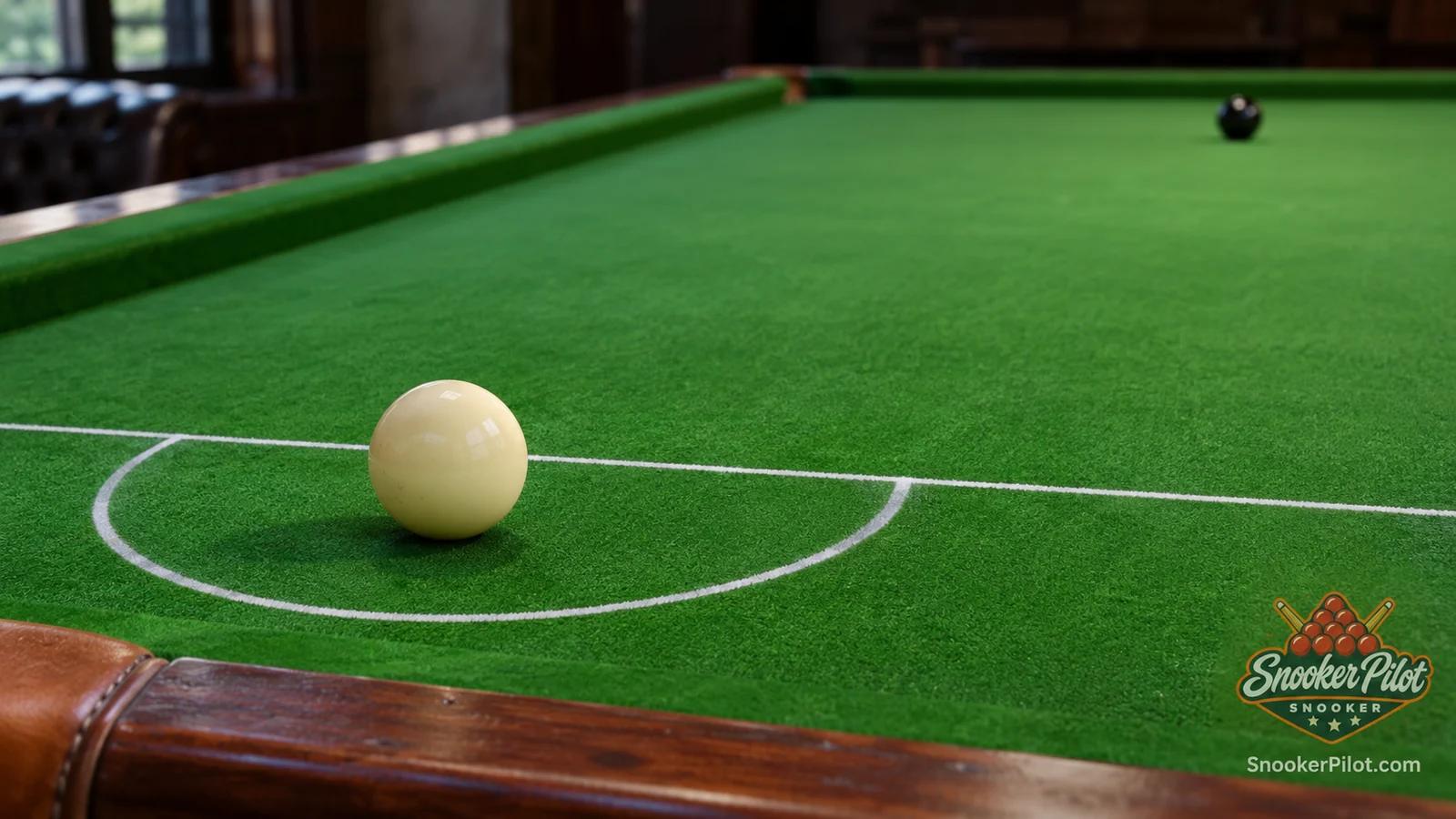
Understand the re-spotted black, who plays first, where the cue ball starts and how a tied snooker frame is decided.
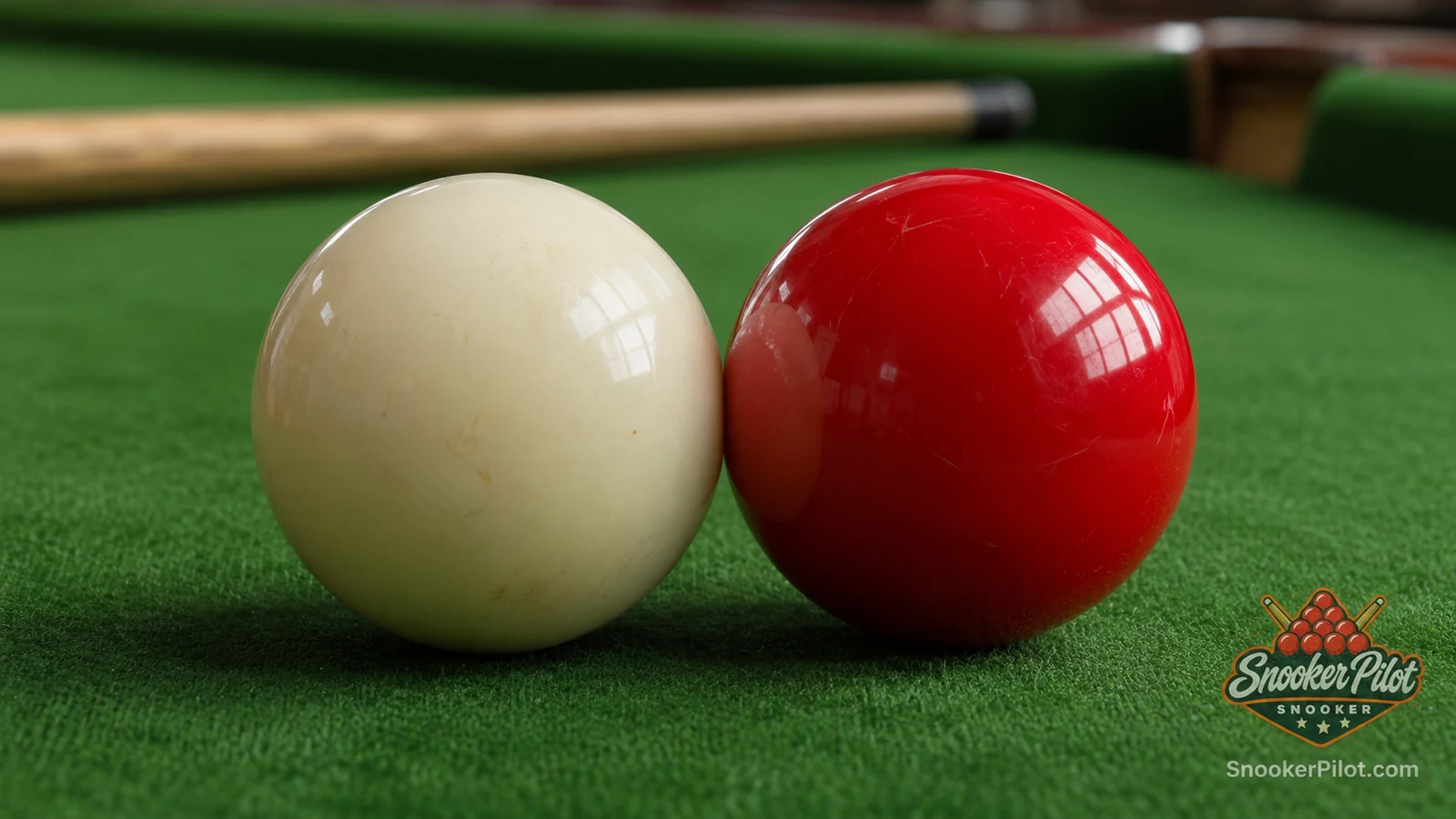
Learn what a touching-ball call means, when you must play away and why the ball on still matters when white rests against another ball.
Learn when colours return to the table, which alternative spot is used and what happens when every colour spot is blocked.
Enjoy your first snooker club session with practical advice on taking turns, looking after equipment, agreeing charges and respecting other players.
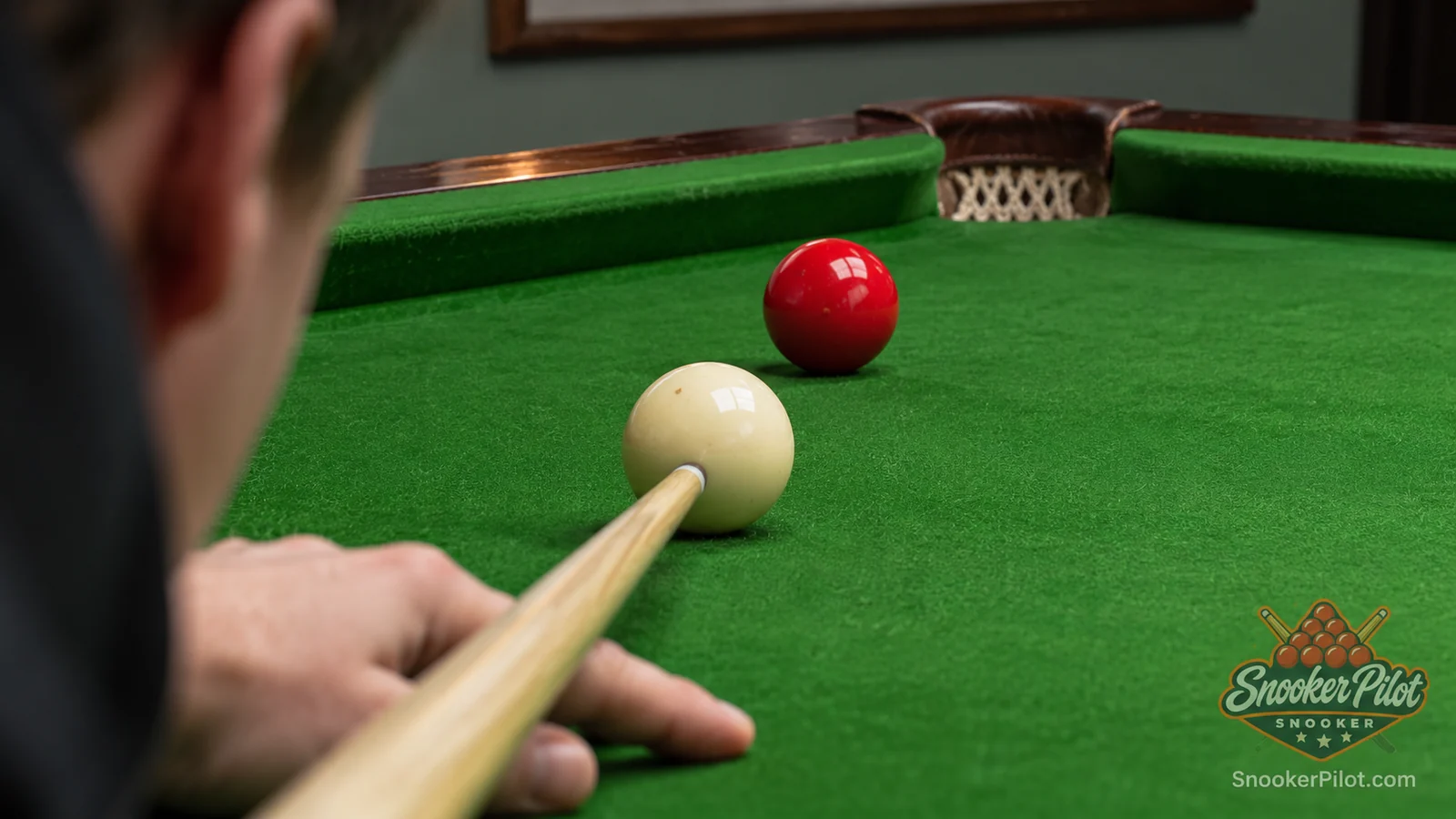
Build a repeatable aiming process using the object-ball line, a stable setup and simple drills that reveal why a pot was missed.
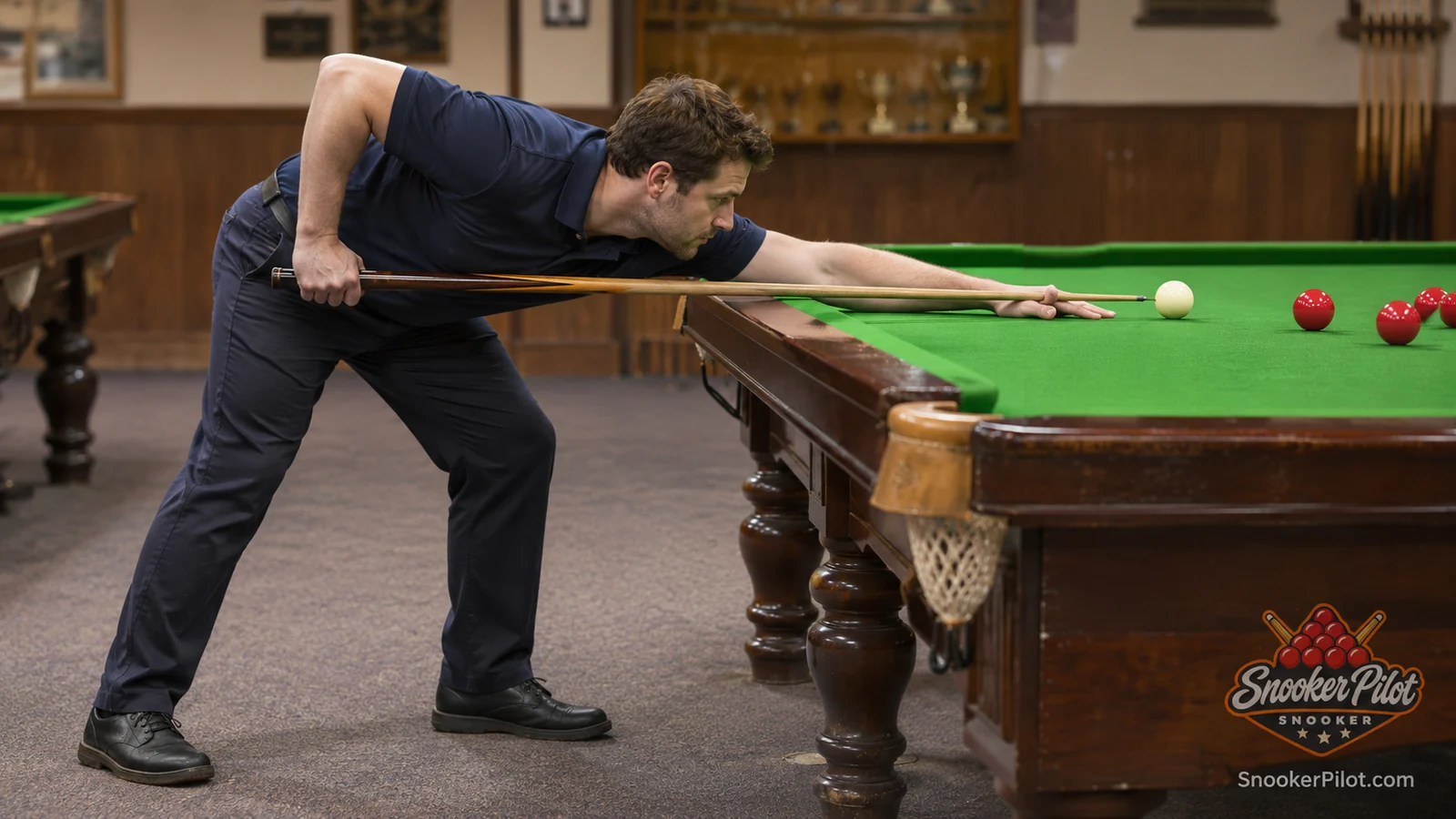
Create a comfortable snooker setup with a stable stance, relaxed grip and dependable bridge instead of copying another player’s body position.
Understand how cue-ball contact, speed and angle affect position, then practise follow, stun and screw without changing every variable at once.
Use a simple diagnostic routine to distinguish aiming mistakes, moving during the shot and poor decisions instead of rebuilding your technique after every miss.
Plan a realistic route to thirty points, simplify your practice layout and learn to recover position instead of chasing difficult blacks.
Use a focused half-hour session with a warm-up, potting block, position exercise and short review that tells you what to practise next.
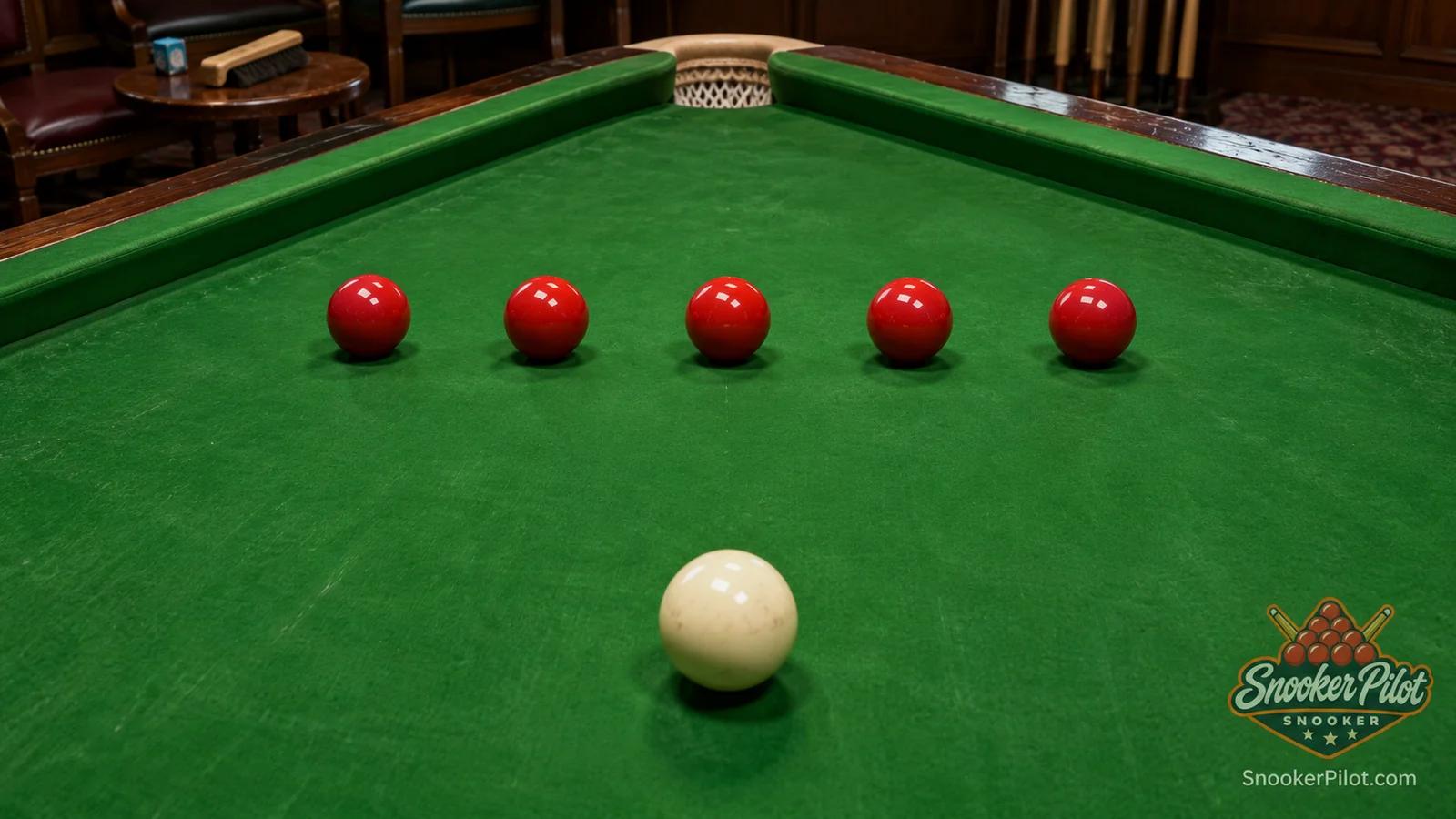
Adapt the line-up drill to your level, connect reds and colours with purpose and measure the transition that ends your break.
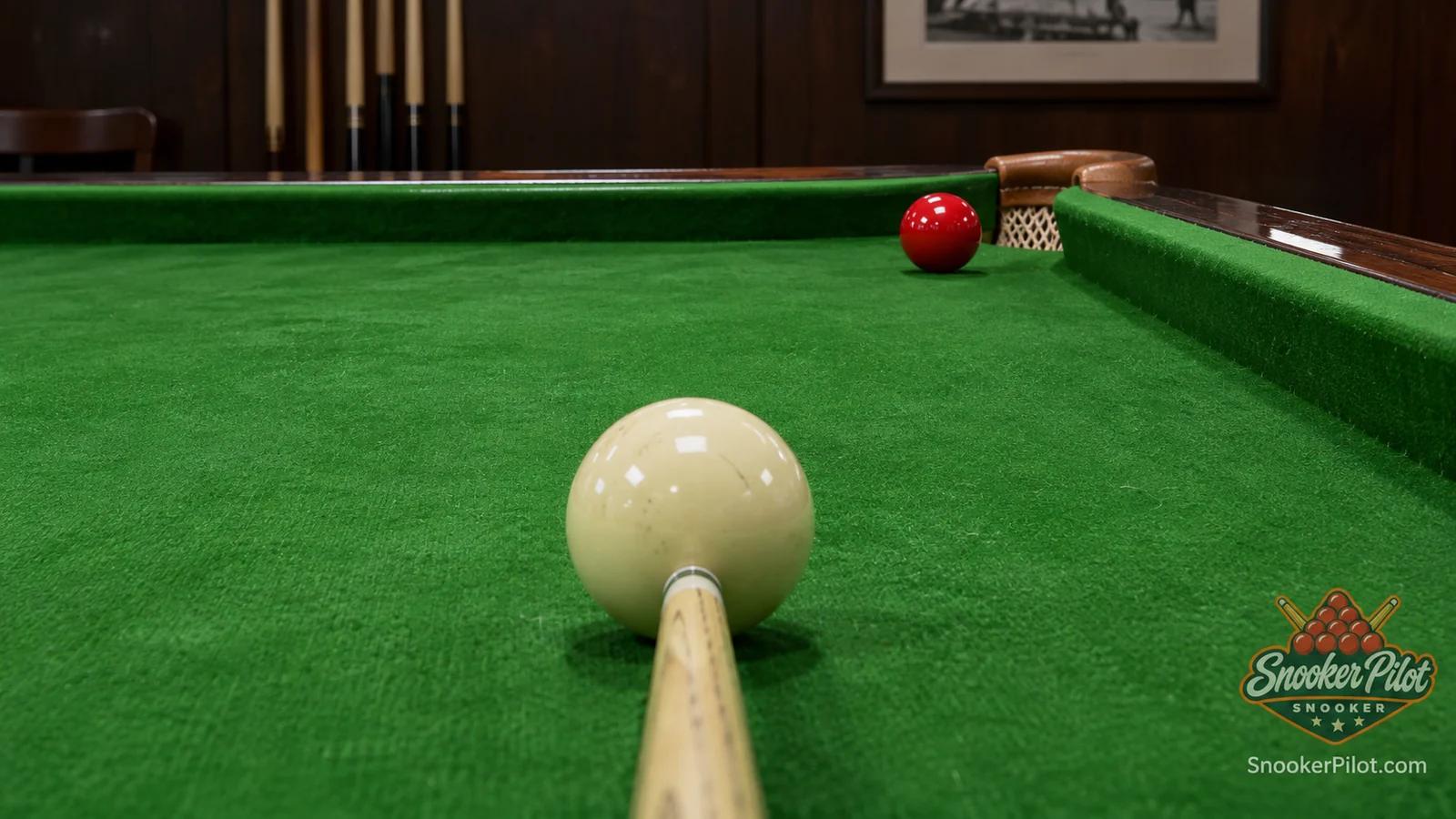
Practise long snooker pots with a repeatable setup, measured speed and a plan for white after the object ball reaches the pocket.
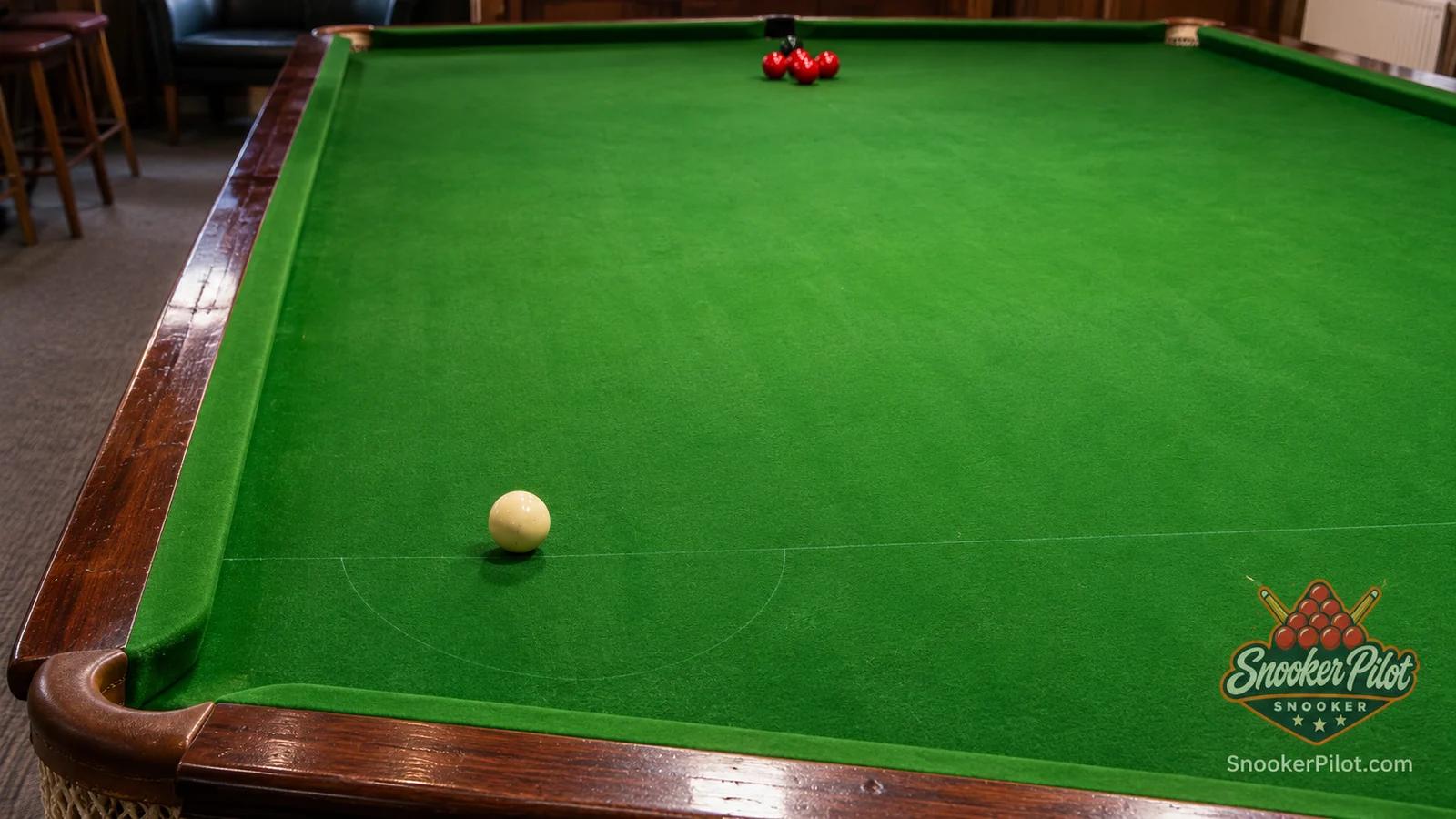
Learn to choose a useful defensive objective, control both balls and practise safety exchanges without confusing a snooker with automatic points.
Use a repeatable pre-shot routine, realistic shot choices and a short post-match review to make competitive snooker feel more manageable.
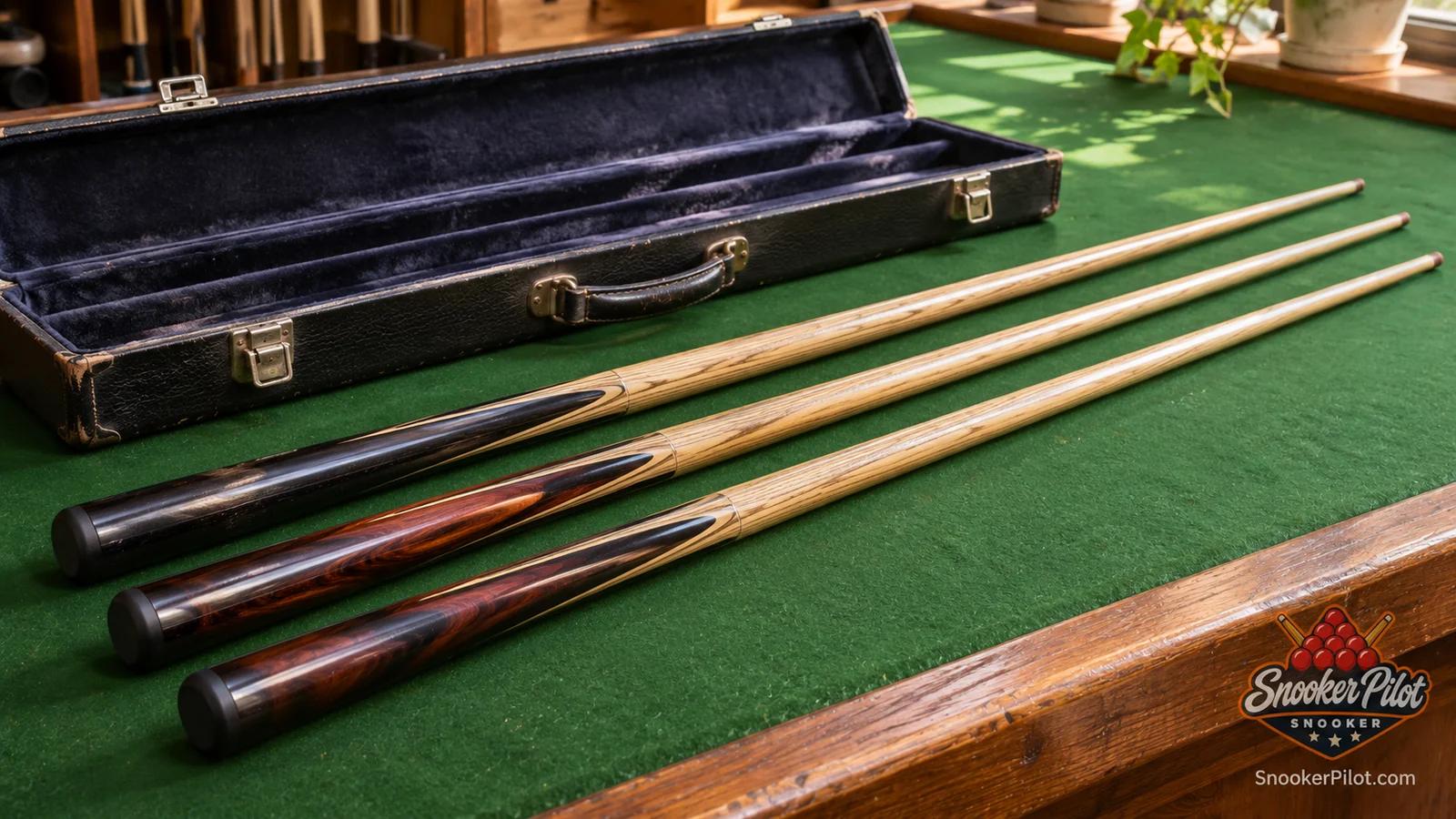
Choose a first snooker cue by comfort, straightness, tip condition and total cost, with a simple test you can repeat before buying.
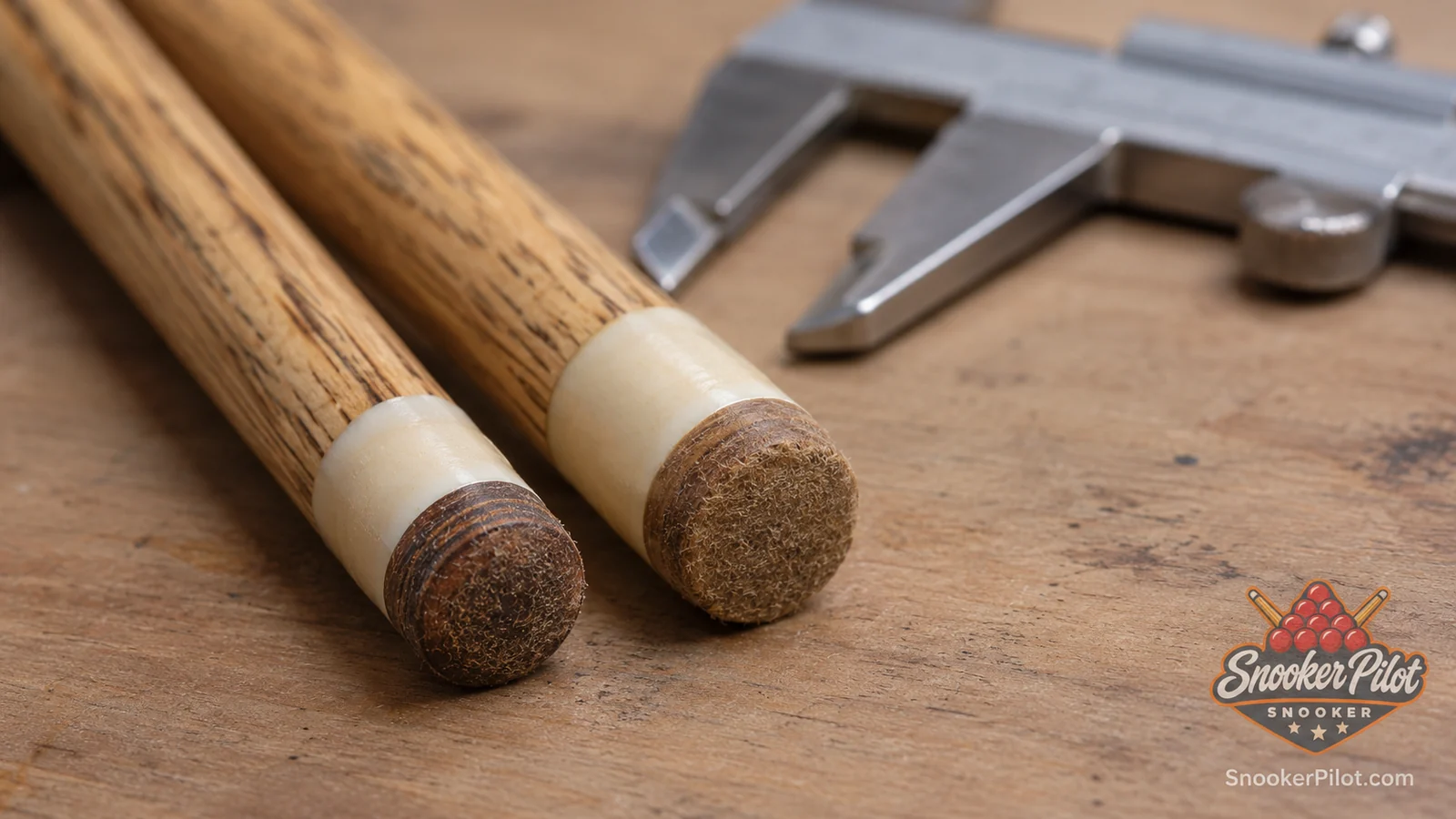
Understand tip diameter, tip shape and condition, then compare cues without assuming that a smaller tip automatically improves accuracy.
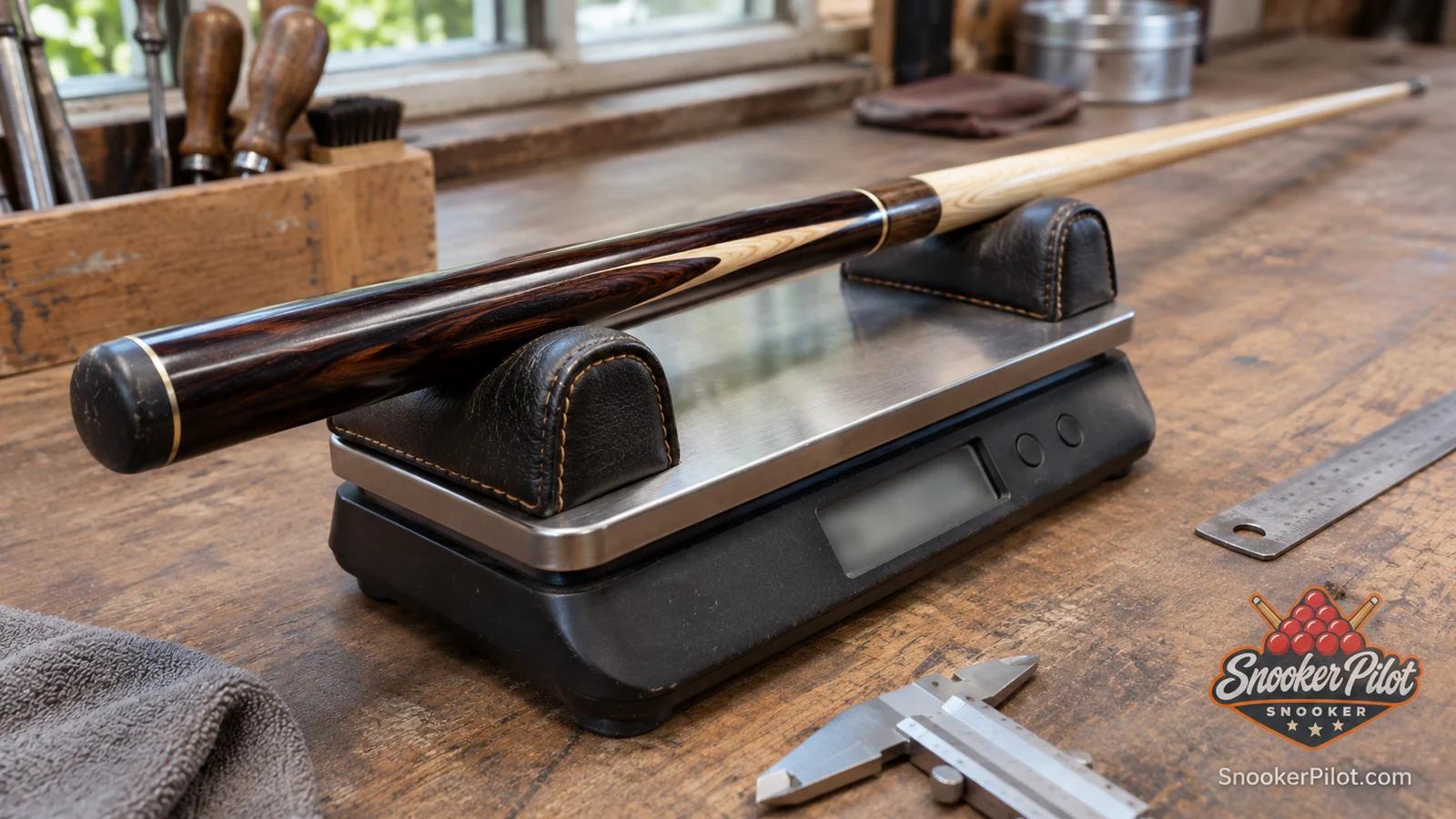
Compare cue weight and balance with repeatable shots, understand ounces and grams, and avoid choosing solely by another player’s specification.
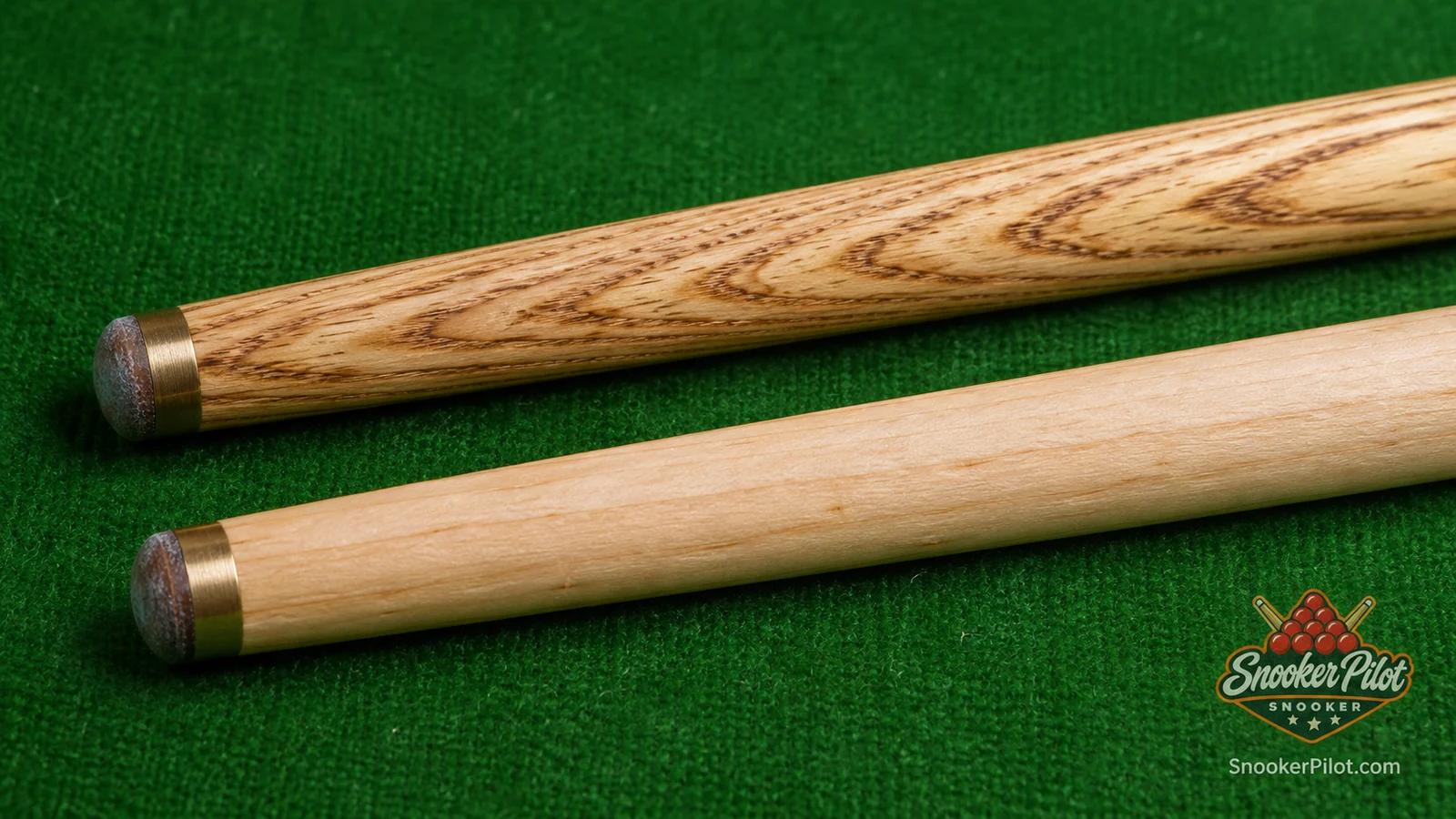
Compare ash and maple cues through grain, feel and complete-cue quality, then use a fair test instead of choosing by wood reputation alone.
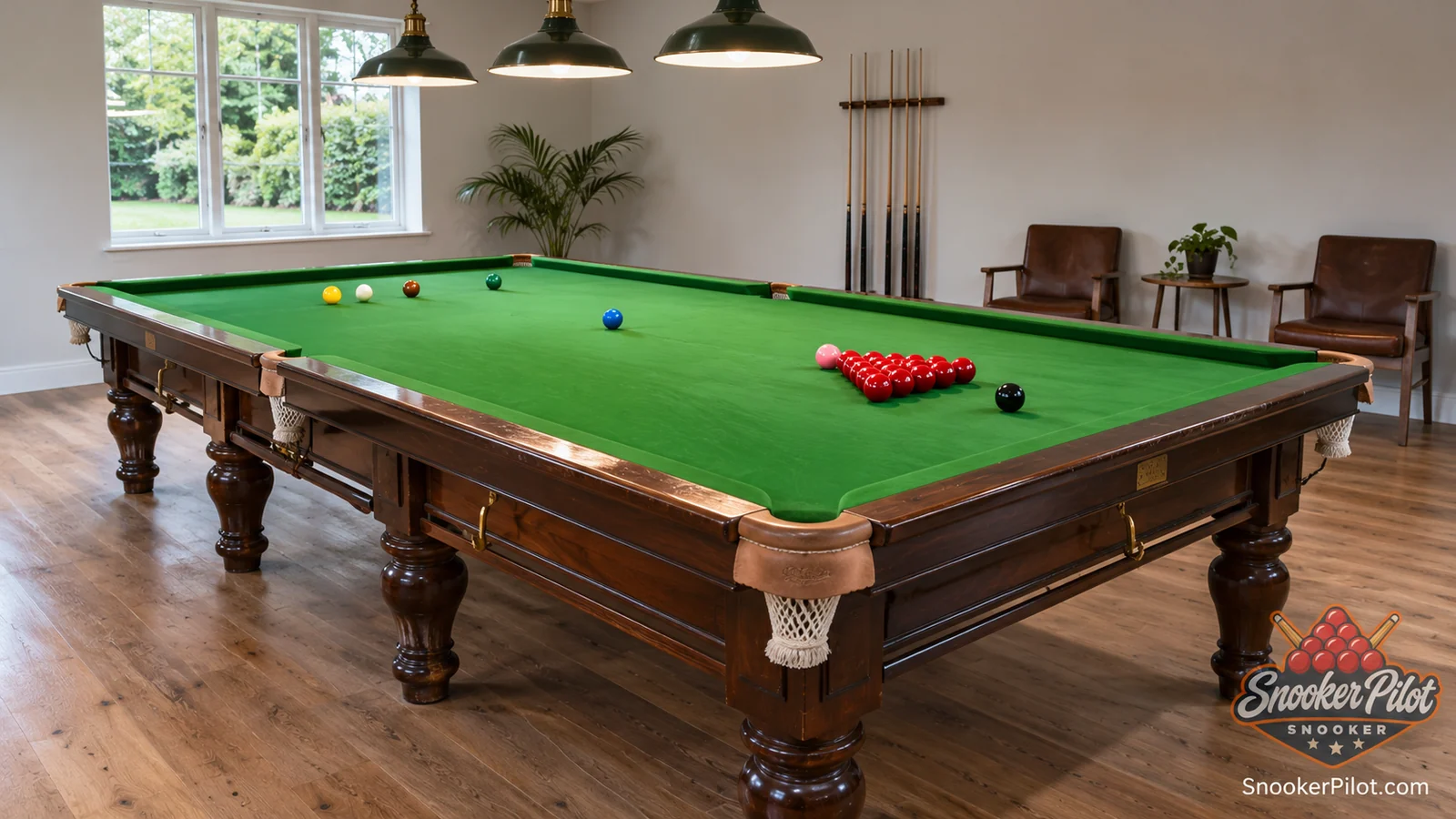
Plan cue clearance, furniture and access around a snooker table, using manufacturer room guides instead of measuring only the playing surface.
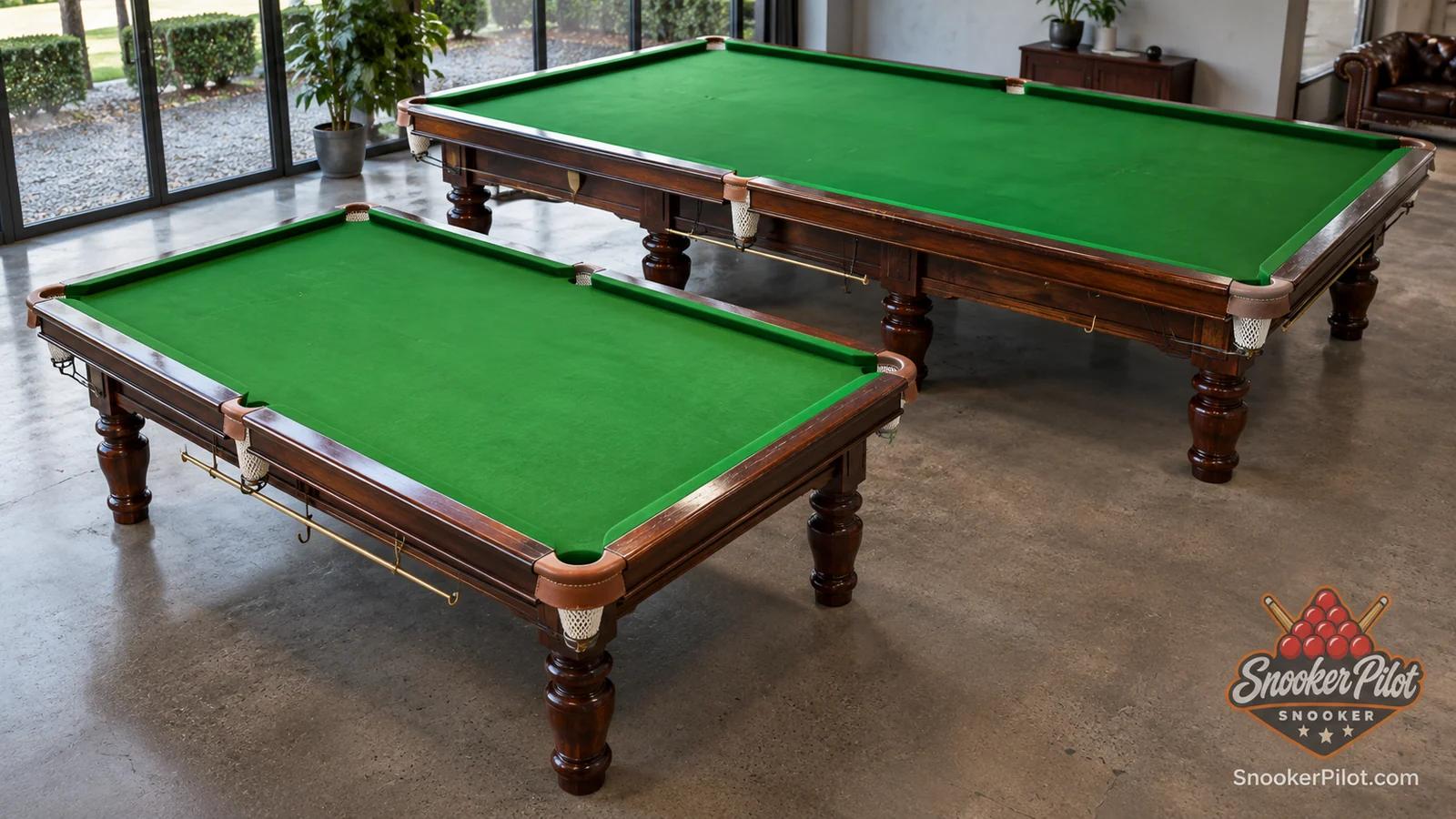
Compare space, shot distance and intended use before choosing a 10ft or full-size snooker table for a home or club.
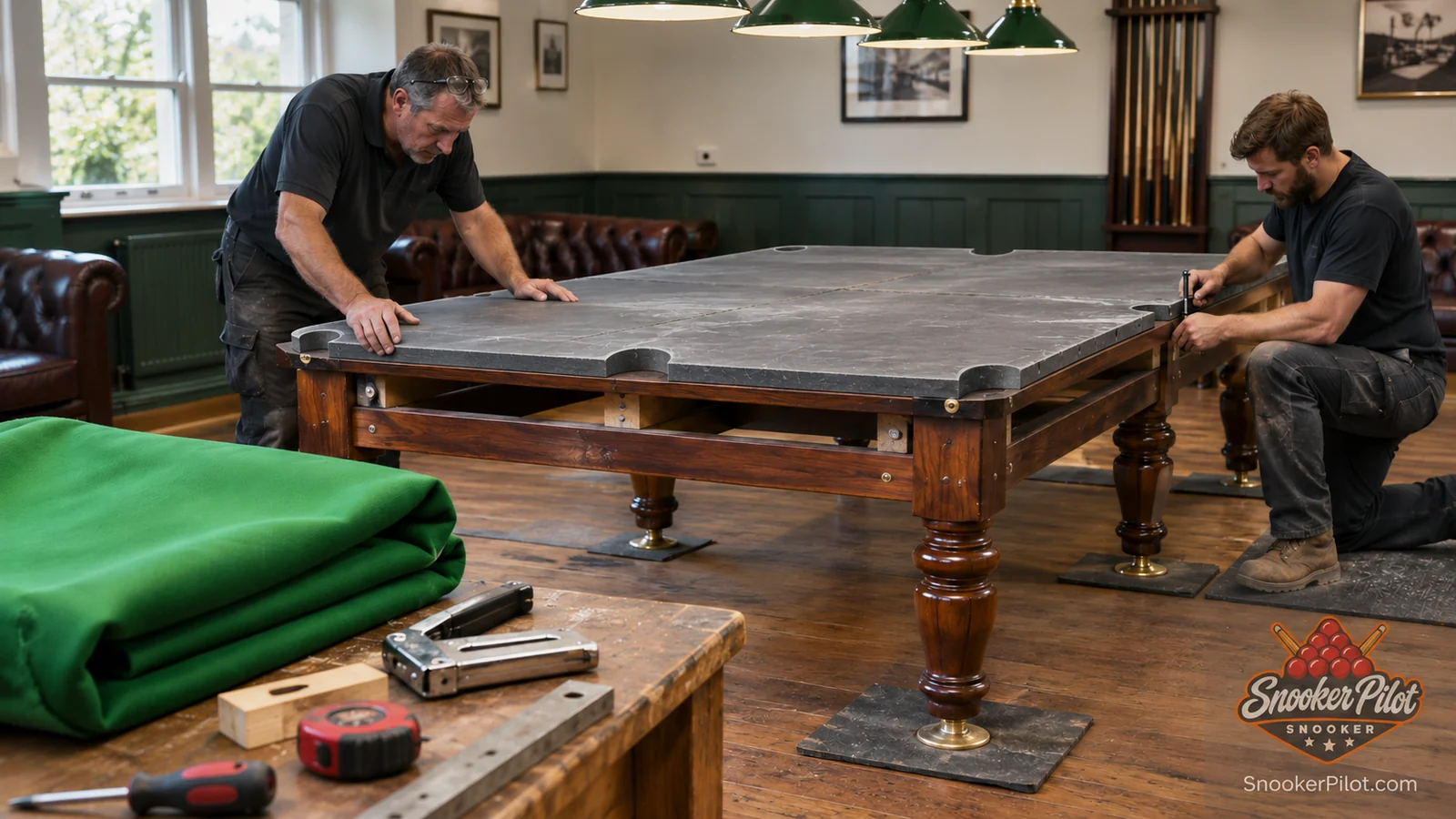
Build a realistic table budget by separating the advertised price from access, installation, lighting and ongoing care.
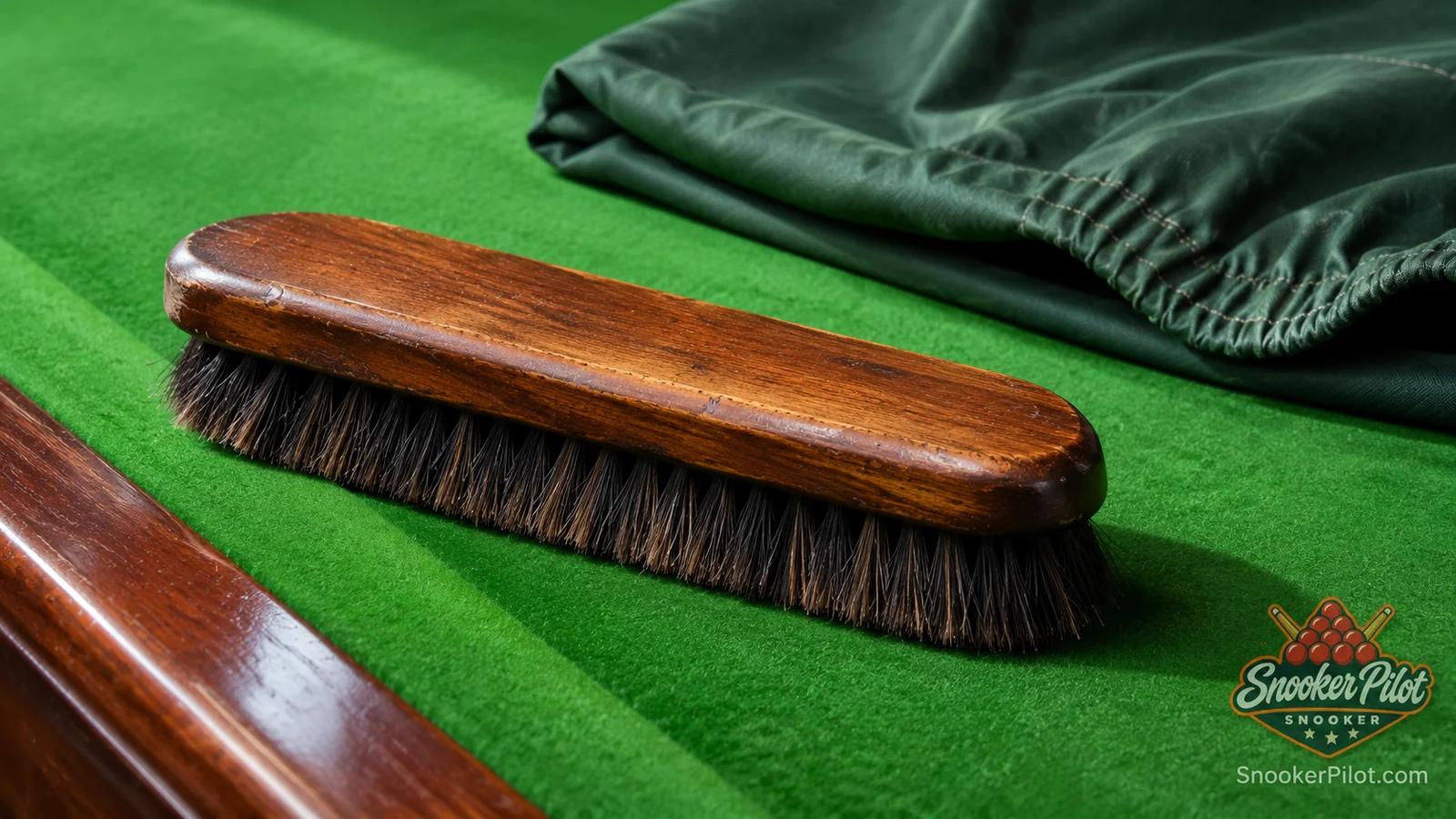
A careful routine for napped snooker cloth, including brushing direction, spill response and when to call the fitter.
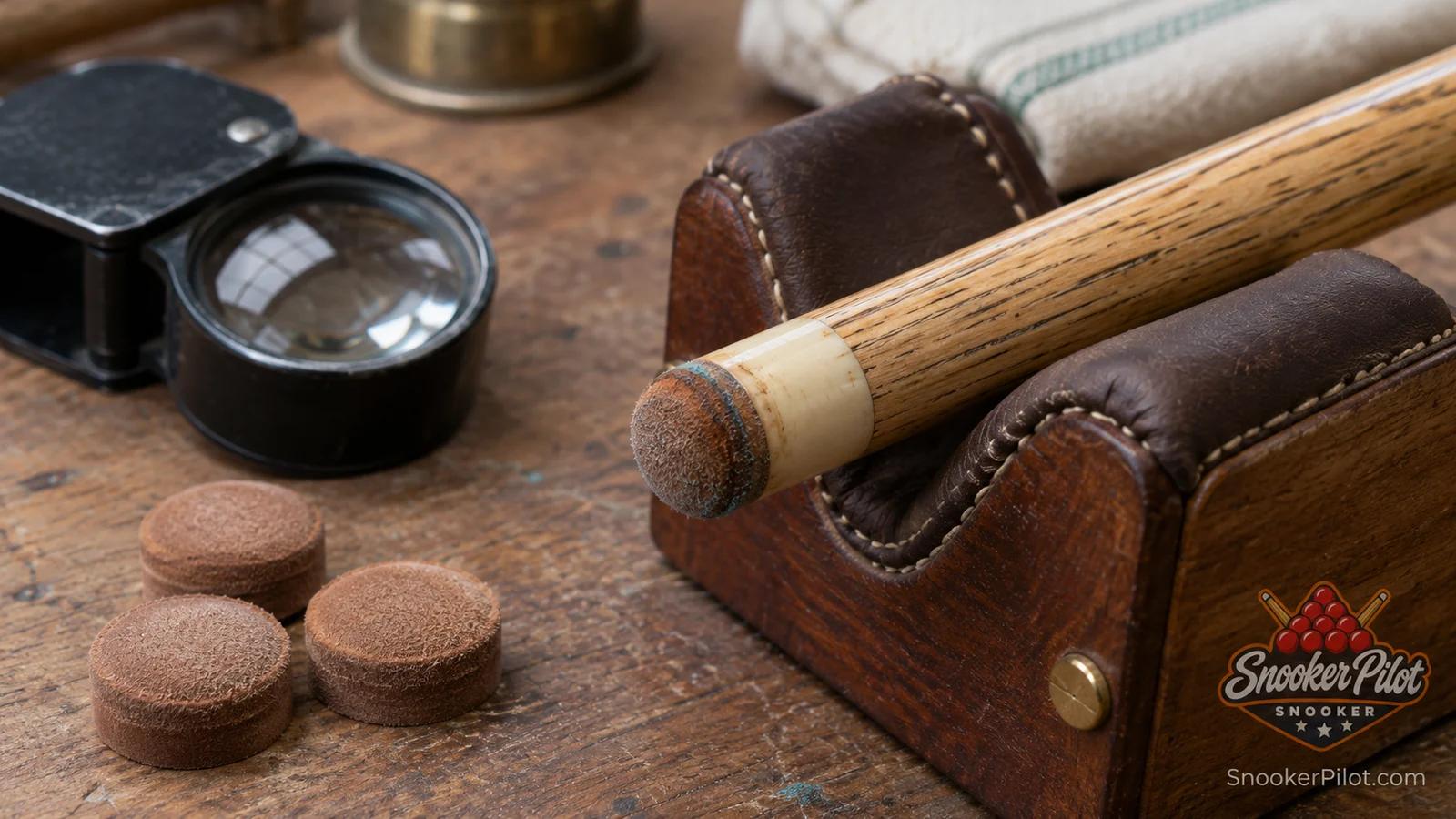
Recognize wear, damage and poor attachment without replacing a usable tip merely because a fixed number of weeks has passed.
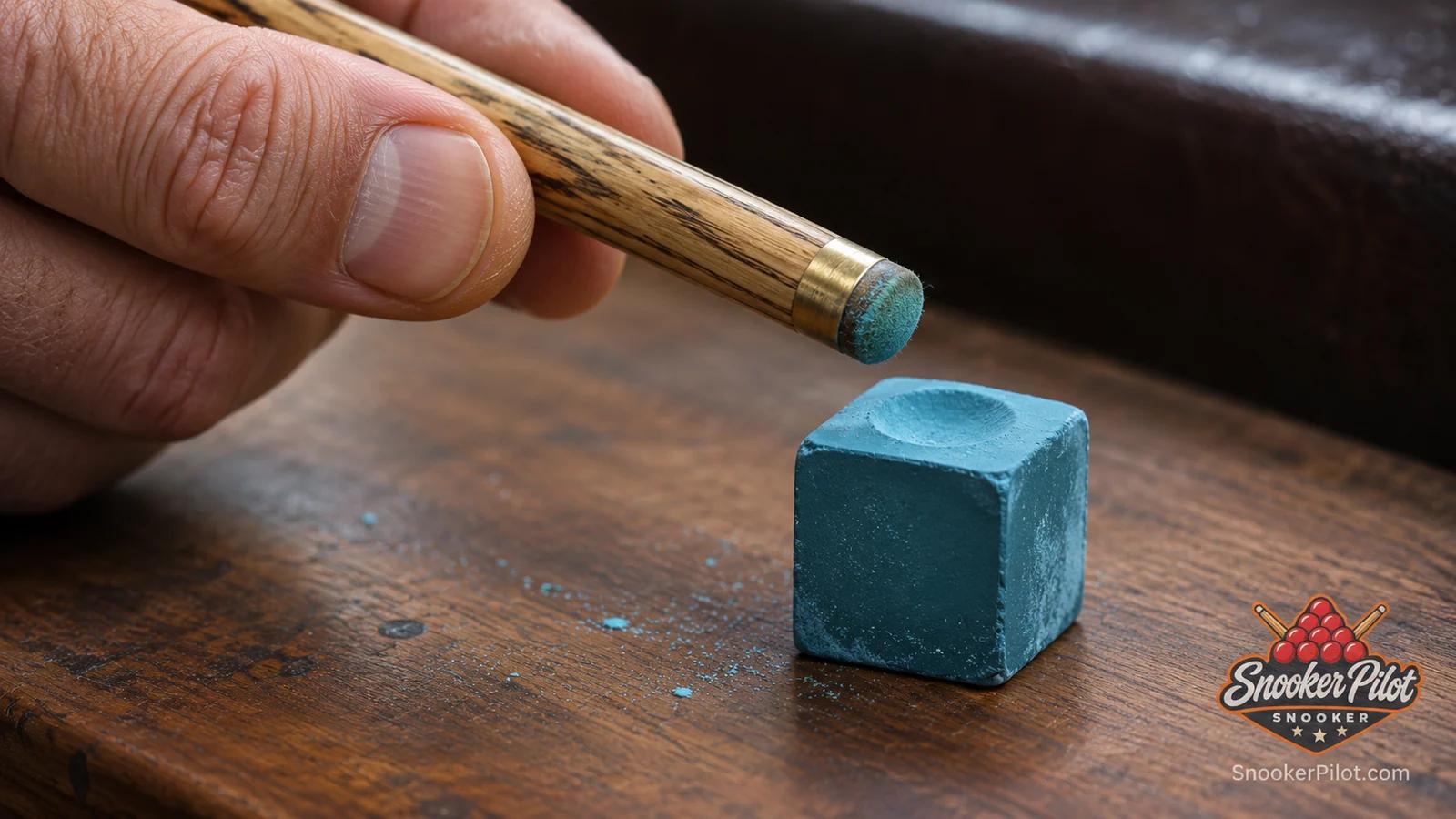
Understand chalk’s role at the tip and learn a clean application routine that protects the table.
Understand ranking prize money, the rolling two-year list, seeding cut-offs and the separate one-year race.
A guide to the World Championship, UK Championship and Masters, and the difference between a career achievement and a season.
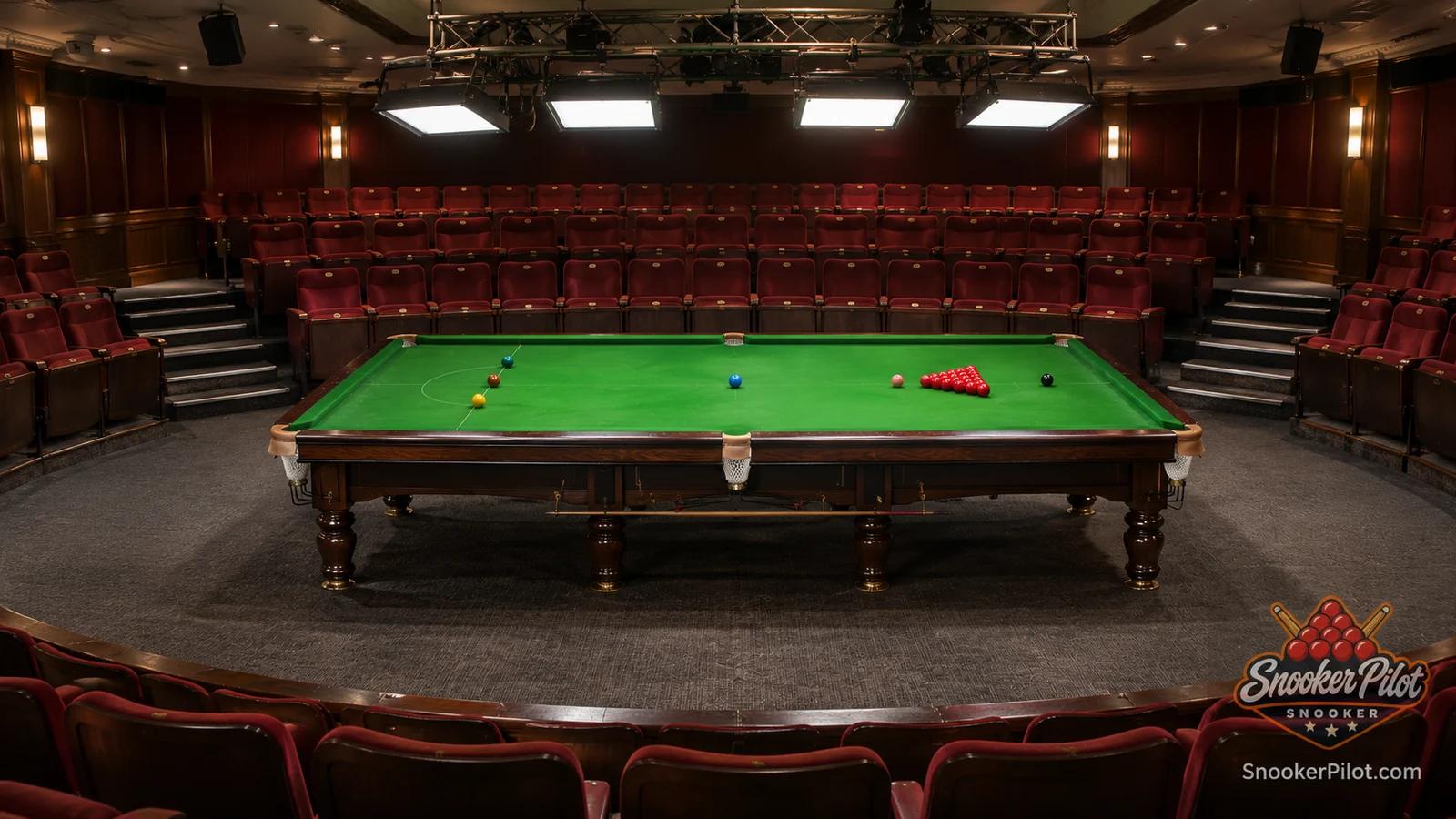
Read the Crucible format correctly, from best of 19 in the opening round to the best-of-35 final.
Learn why 147 is the conventional maximum, how a free ball permits 155, and what O’Sullivan’s 153 means.
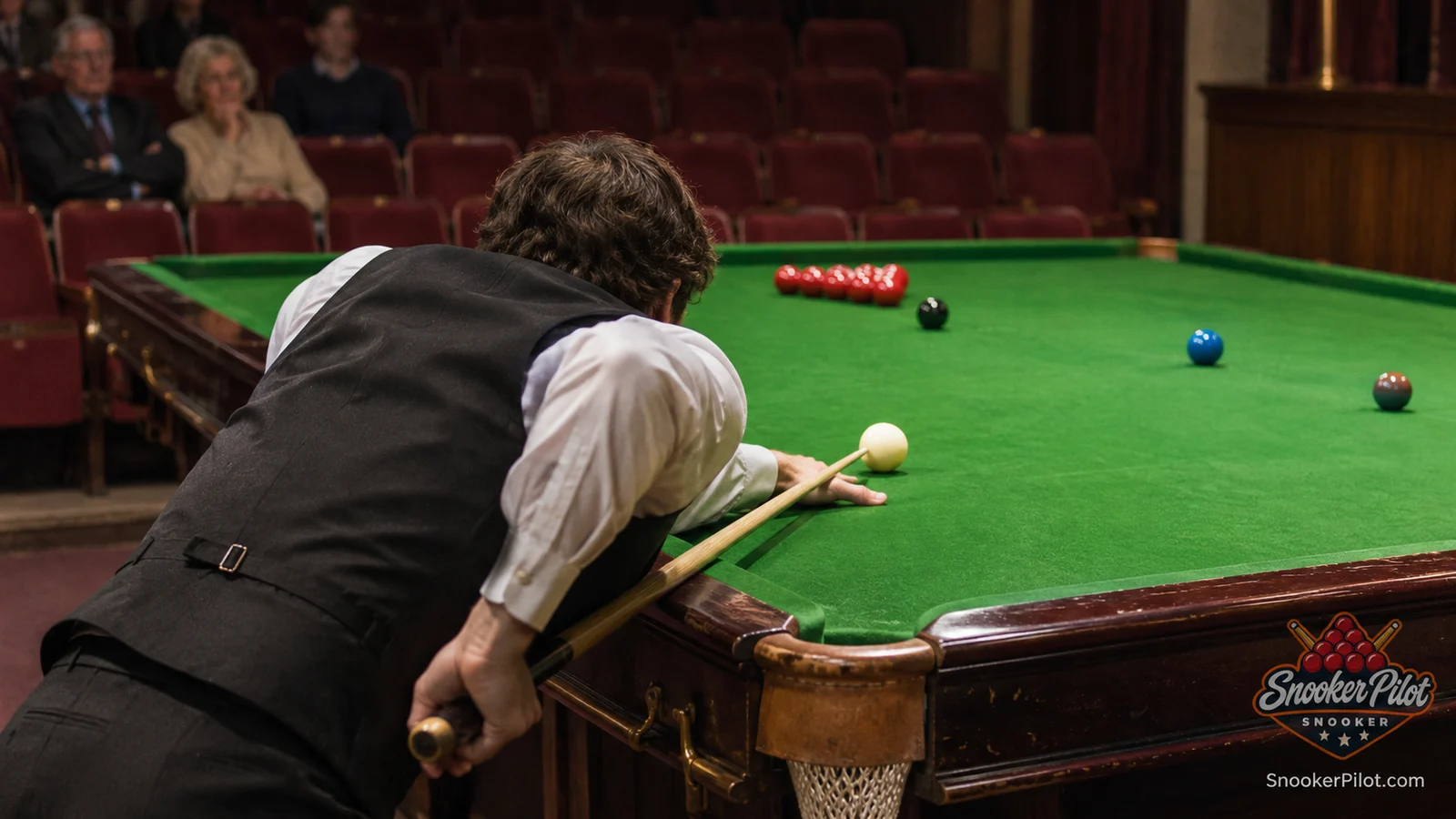
Revisit the 1997 Crucible maximum, the recognized 5:08 timing and the useful lessons beyond playing quickly.
The answer depends on the era: separate Joe Davis’s all-era total from modern and Crucible records.
Compare clearly defined records without turning different eras and statistics into a misleading single score.
Build a realistic route from competitive club play to official qualification opportunities without confusing improvement with a guaranteed tour card.
Find the authorized broadcaster for your country and event without mistaking archive access for live coverage.
Estimate a match sensibly by separating frames, winning targets, sessions and unpredictable table time.
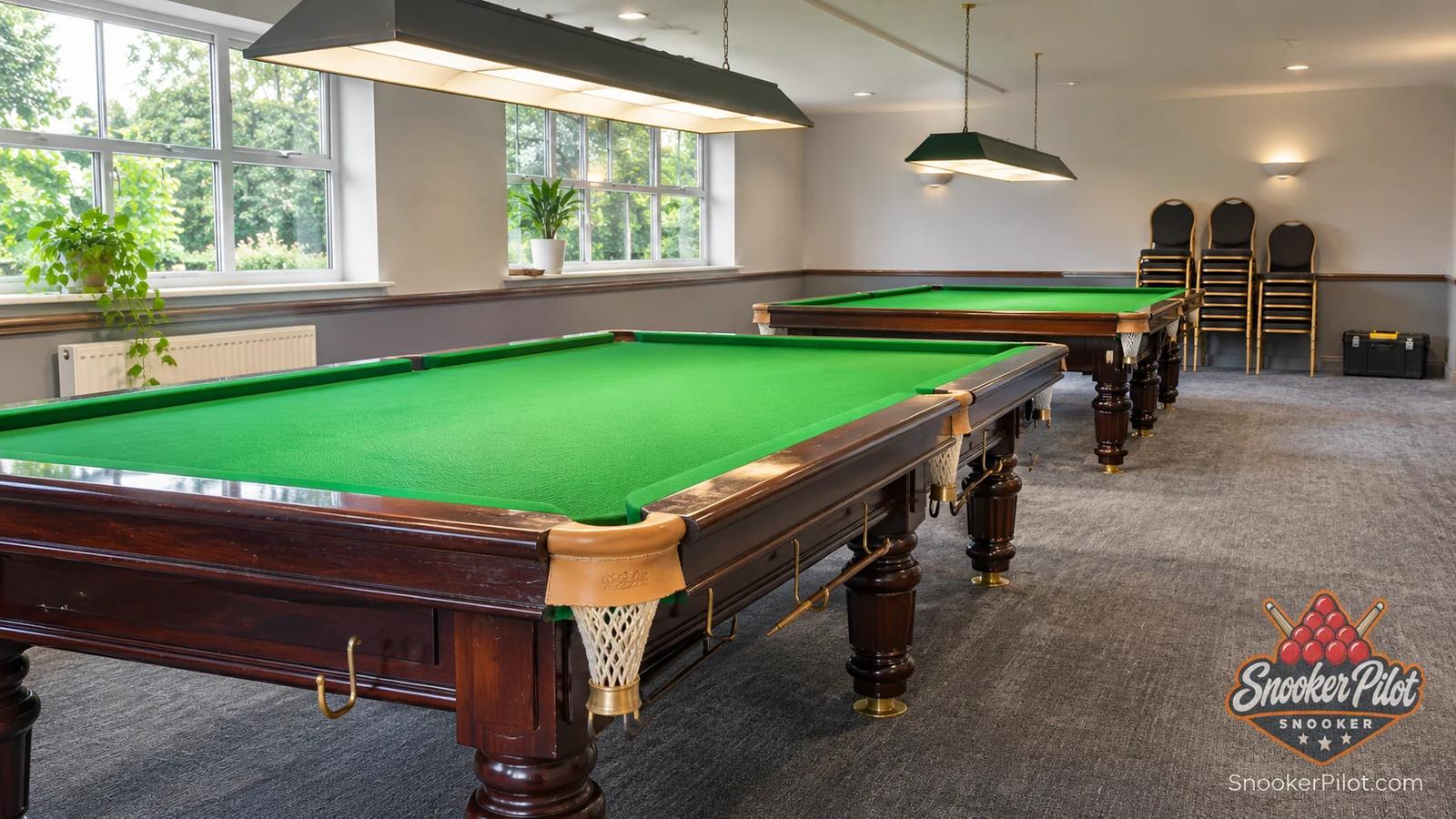
Turn an opening idea into a practical operating plan with realistic space, equipment and working-capital assumptions.
Evaluate real workflows, table capacity, scoring, tournaments and data access before buying club software.
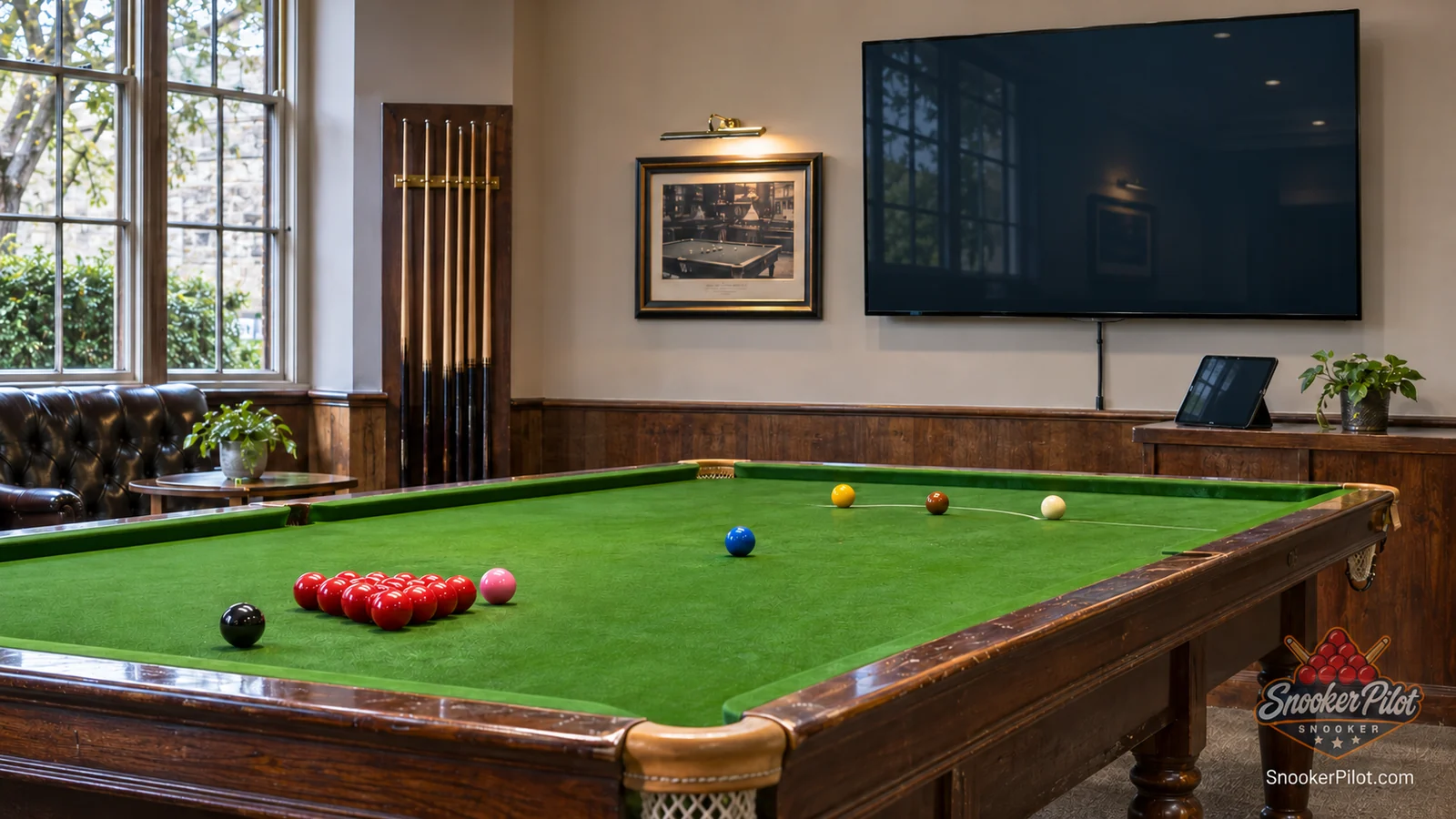
Plan the TV, tablet, local connection and remote controls, then verify the whole scoring workflow before opening.
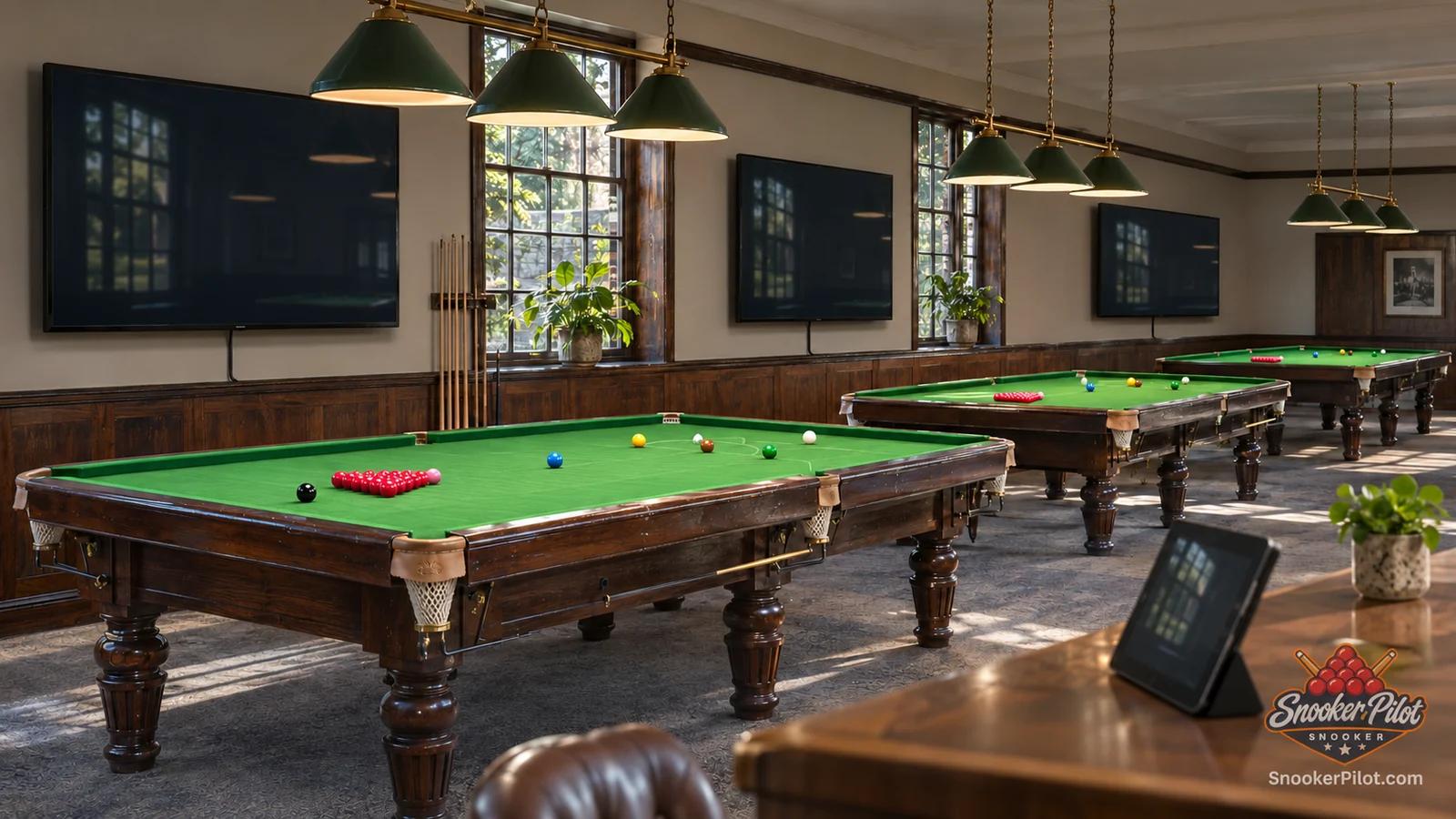
Organize table identity, active-plan capacity, TV connections and staff checks without promising a universal device limit.

Publish a simple queue policy and keep the visible order consistent when players arrive, leave or become unavailable.
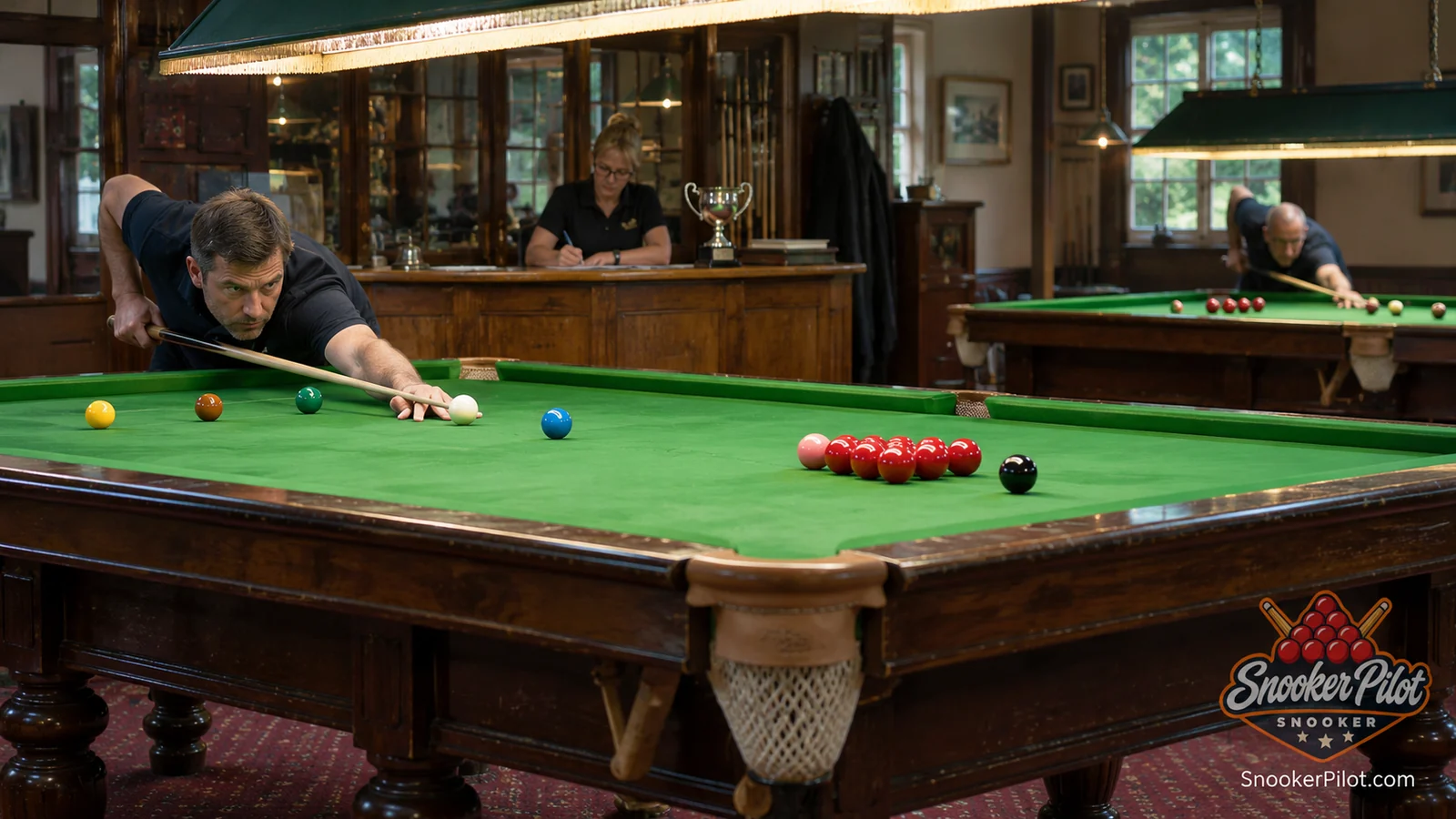
Set the format, entries, table plan and result procedure before the first break-off.
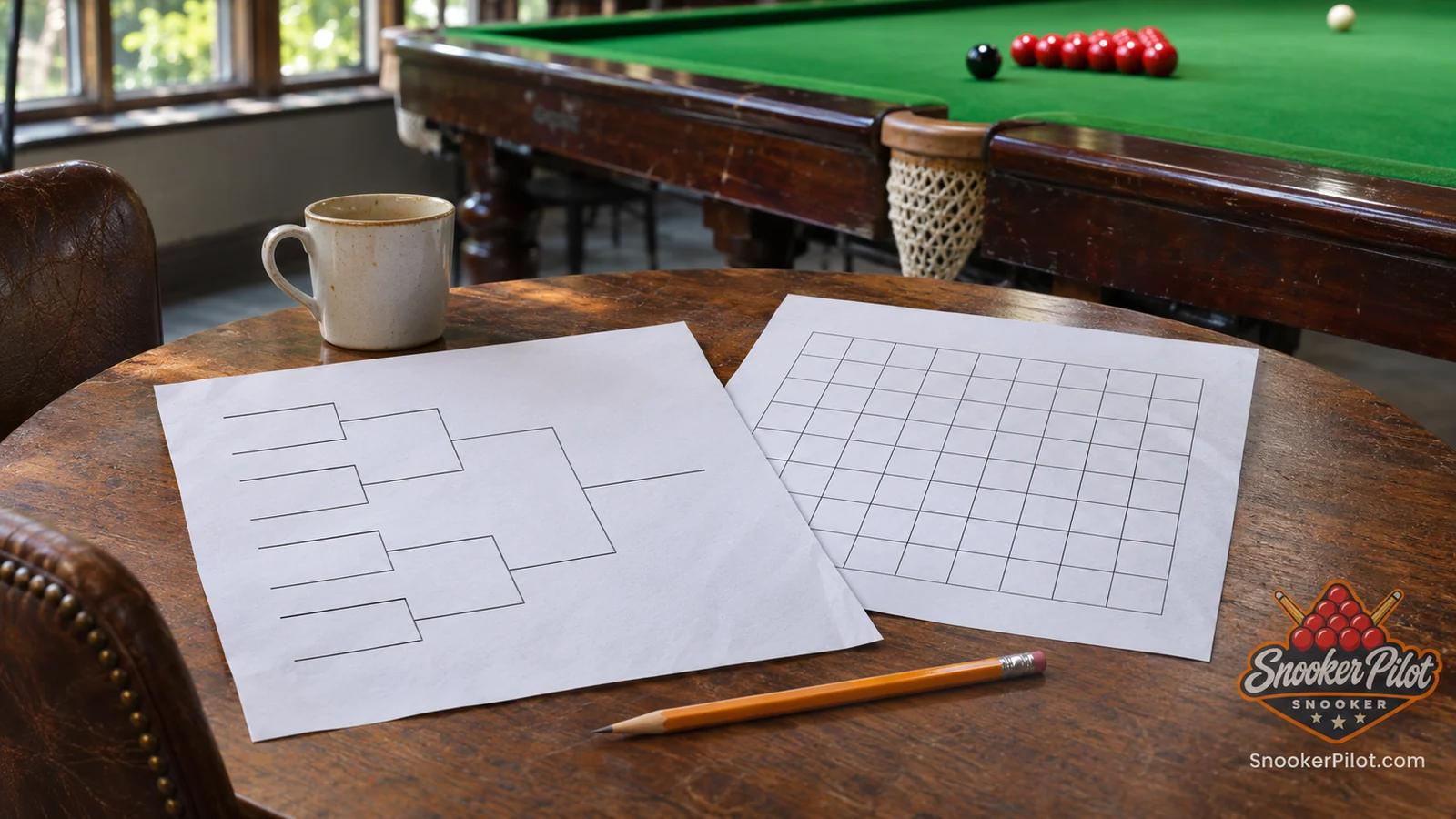
Compare match counts, player experience and scheduling before choosing an event structure.
Compare transparent pricing models using your own occupancy and duration data, and understand what the software actually bills.

Make a loyalty offer understandable, affordable and consistent with the kinds of games that qualify.
Build a useful operating review from recorded games while separating charges, cash received and profit.