
How Are Snooker Colours Respotted When Their Spots Are Occupied?
Learn when colours return to the table, which alternative spot is used and what happens when every colour spot is blocked.
First ask whether the colour should return
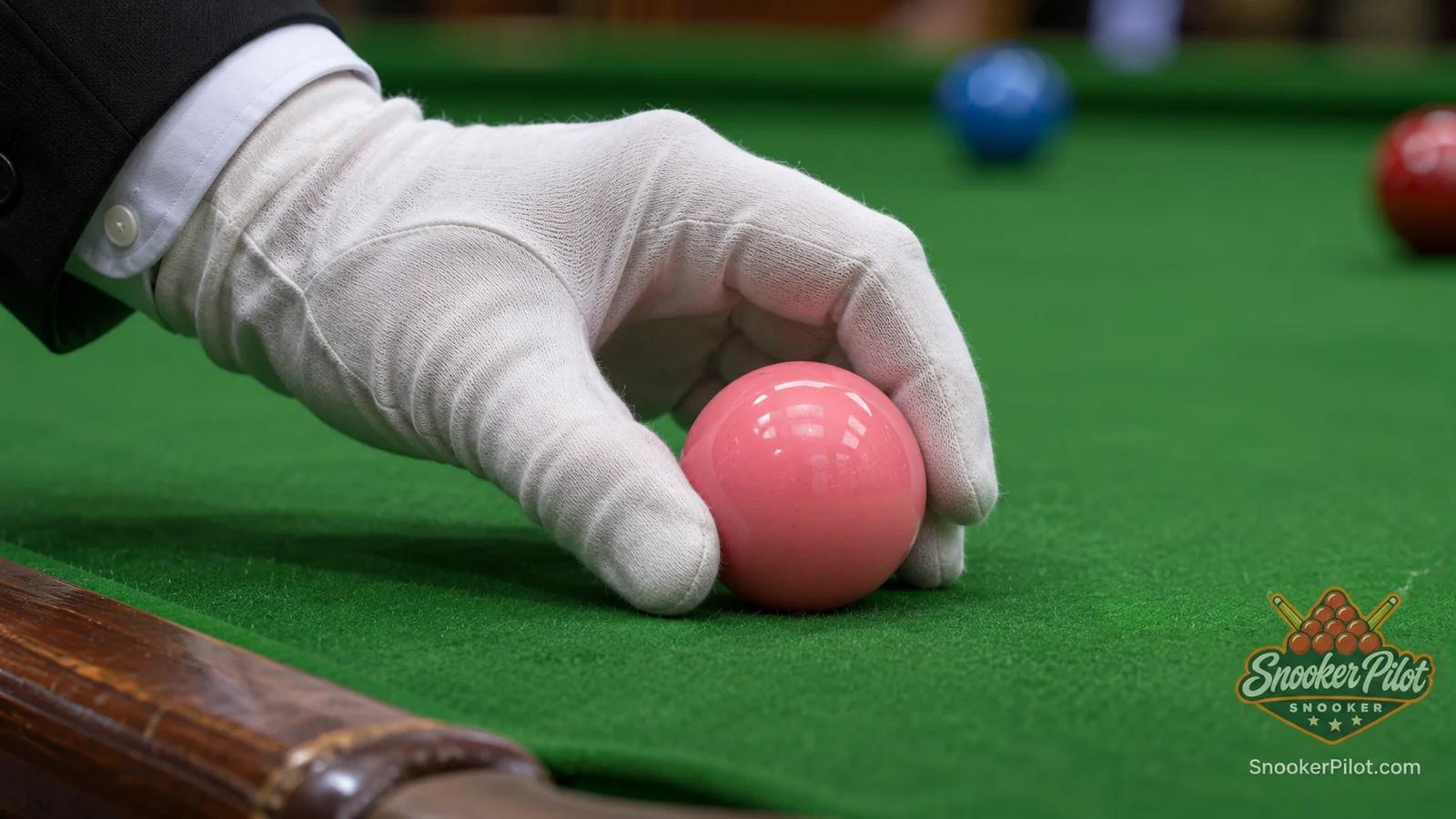
During the red-colour stage, a legally potted colour is re-spotted. This includes the colour played after the final red, before the ordered colour clearance starts. During that final clearance, a legally potted colour normally stays off the table. Fouls and replacement of positions introduce further cases, so do not use a blanket rule that every colour always returns. Legally potted reds remain down; restoring a previous position after a miss is a separate procedure rather than ordinary spotting.
Use the colour’s own spot when available
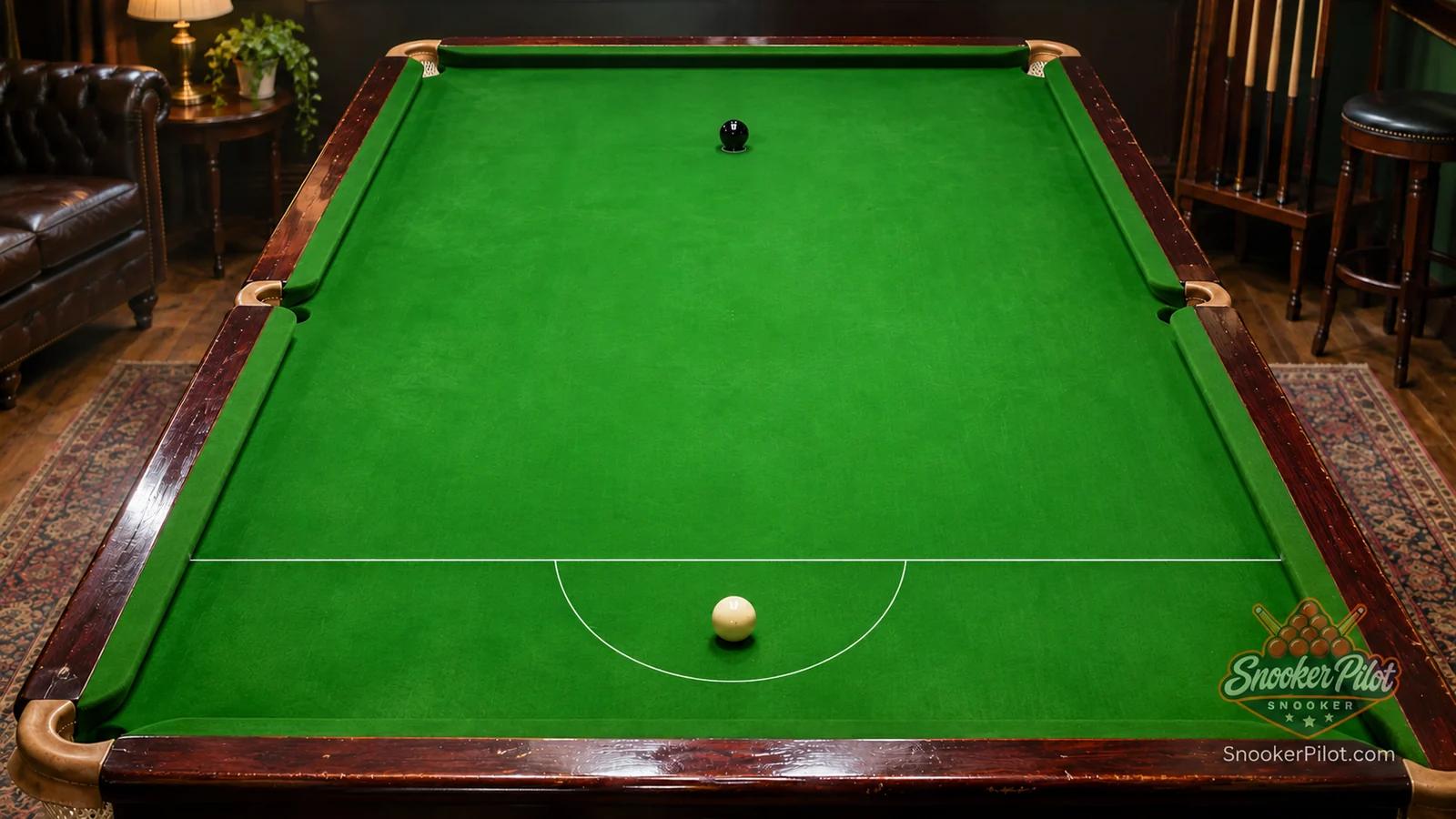
If its own spot is free, place the colour there accurately. A spot is not free if placing the ball correctly would require it to touch another ball. Do not move the obstructing ball, make room by nudging the pack or place the colour approximately beside its mark. Small placement errors can alter a safety shot or the next pot. Give the referee space to inspect the line and confirm the ball is stable before the striker begins another stroke.
Use the highest available colour spot
When a colour’s own spot is occupied, it is placed on the highest-valued available colour spot. For example, if green cannot return to its own spot and black’s spot is available, green goes on black’s spot. That does not make green worth seven: it remains the three-point ball. If several colours need replacing, the rules specify their order of spotting, beginning with the higher-valued balls. Apply that procedure before deciding that a spot is available for a lower-valued colour.
When all spots are blocked, follow the placement rule
The official rules provide a further placement method when no colour spot is available. It generally uses a position as close as possible to the ball’s own spot towards the top cushion, without touching another ball. Pink and black have additional provisions if the relevant path is obstructed. This is a precise placement problem, not an invitation to choose an arbitrary empty area. Consult the rulebook or an experienced referee for the particular layout, and finish the physical replacement before recording the next shot.
At your club with SnookerPilot
SnookerPilot’s snooker-table visual on Club and higher packages helps make the match presentation familiar, but the real table determines where a colour is legally placed. Keep scoring with the ball’s original value even when it occupies another colour’s spot. The TV ball history can help explain a visit, while the tablet retains the result once the game is completed.
Compare the packages