
How to Play Snooker: Rules, Setup and Scoring for Beginners
Learn how to set up a snooker table, alternate reds and colours, count points and complete your first frame with confidence.
Set up the table and agree the match
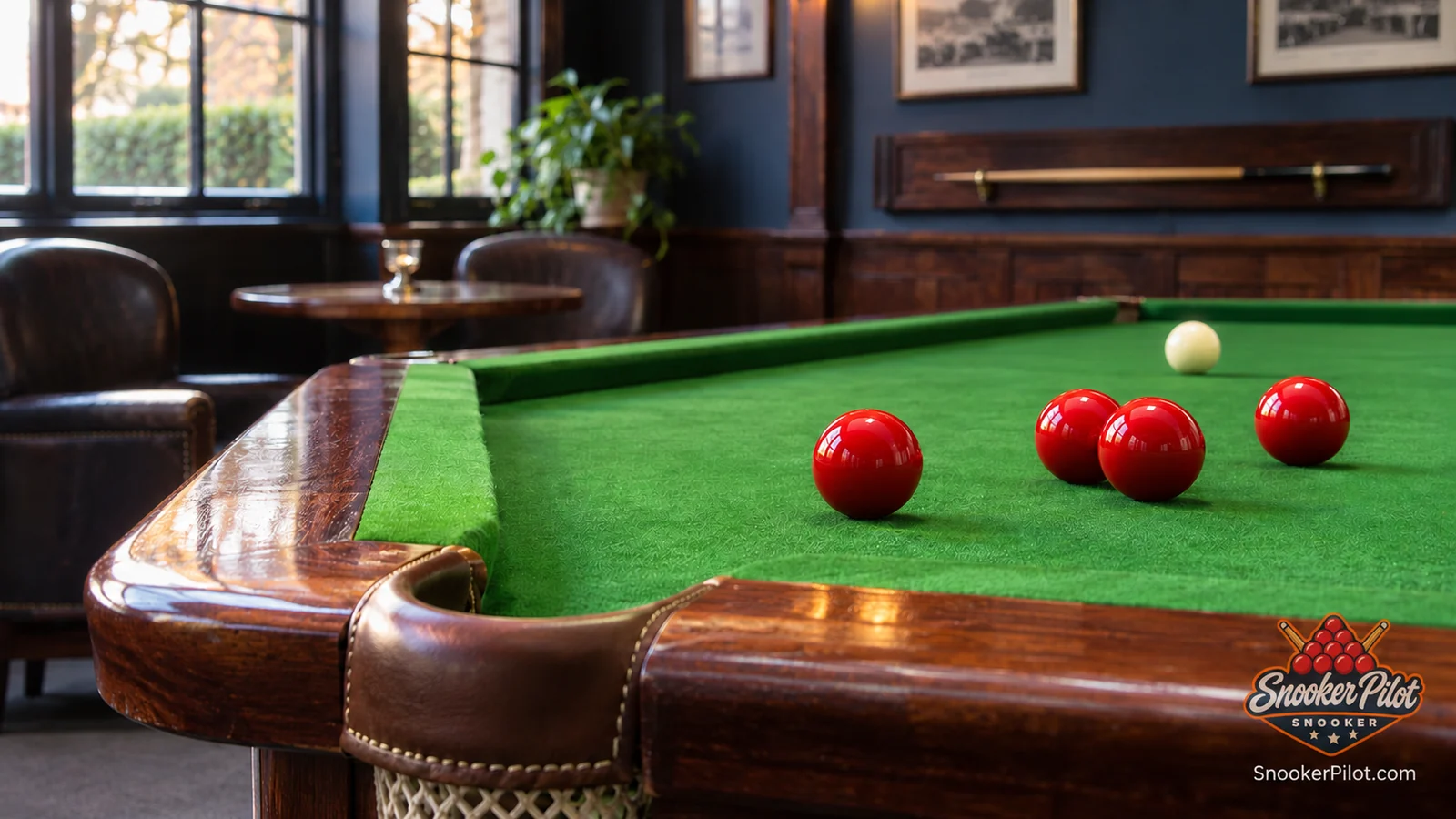
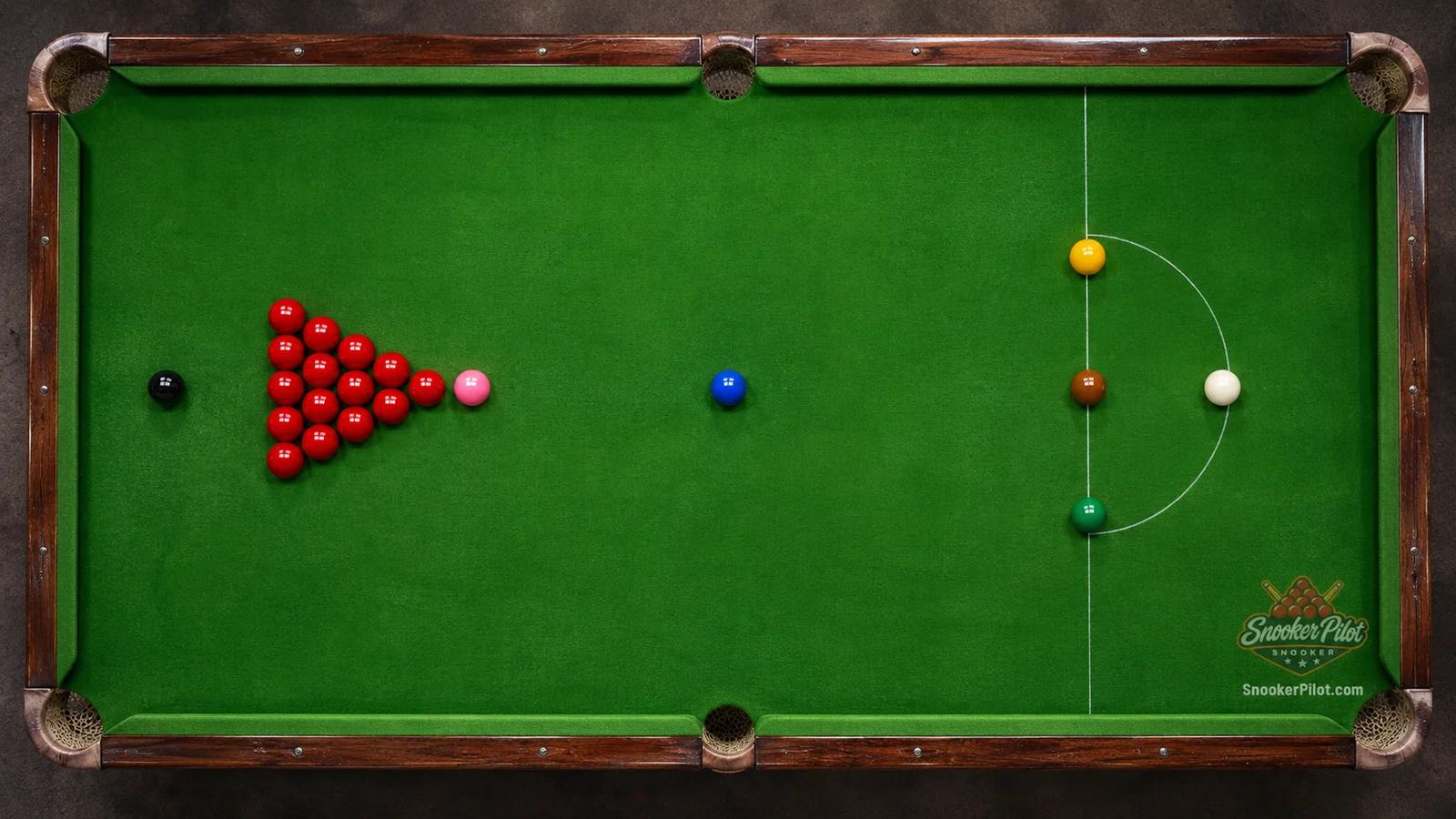
A standard frame uses fifteen reds, six colours and a white cue ball. Reds form a triangle near the pink; the blue sits in the centre and the black beyond the reds. Looking from the baulk end towards the black, green is on the left of the baulk line, brown in the middle and yellow on the right. The opening cue ball is played from within the D. Before starting, agree how many frames decide your match and whether you are using the full official rules.
Alternate a red with a colour
While reds remain, your first target is a red worth one point. Pot a red legally and choose a colour: yellow two, green three, brown four, blue five, pink six or black seven. A legally potted colour is replaced on its spot during this stage. Return to a red, then another colour, until your visit ends. Reds stay off the table. After the colour following the final red, clear the colours in ascending value; they then stay down.
Understand turns, breaks and fouls
A break is the points scored during one visit. A red followed by black makes eight; another red and pink takes that break to fifteen. An unsuccessful legal pot normally ends your turn without a penalty. A foul is different: hitting the wrong ball first or potting the white can award your opponent penalty points. Penalties are normally four to seven points according to the balls involved. A foul does not ordinarily subtract those penalty points from your existing score. Check uncertain situations before the next stroke.
Finish the frame and learn one step at a time
The player with the higher frame score wins when the frame ends. Equal scores after the final black can require a re-spotted black under the normal two-player rules. A match contains the agreed number of frames or continues until a player reaches the required wins. For a first session, practise identifying the ball on and announcing each score. A simple red-colour exercise builds understanding faster than trying to copy a professional maximum. Use the linked official rules to resolve exceptions rather than inventing a house rule mid-frame.
At your club with SnookerPilot
SnookerPilot gives the two players a visible TV score, timer and break information while the tablet keeps local player and game records. Starter supplies a classic scoreboard for one active table. Club and above add the snooker-table visual, waiting queue and tournament tools. Keep the physical balls and the displayed score in agreement after each visit; a referee or the players still decide the rules.
Compare the packages