
How to Practise Snooker Alone: A Productive 30-Minute Routine
Use a focused half-hour session with a warm-up, potting block, position exercise and short review that tells you what to practise next.
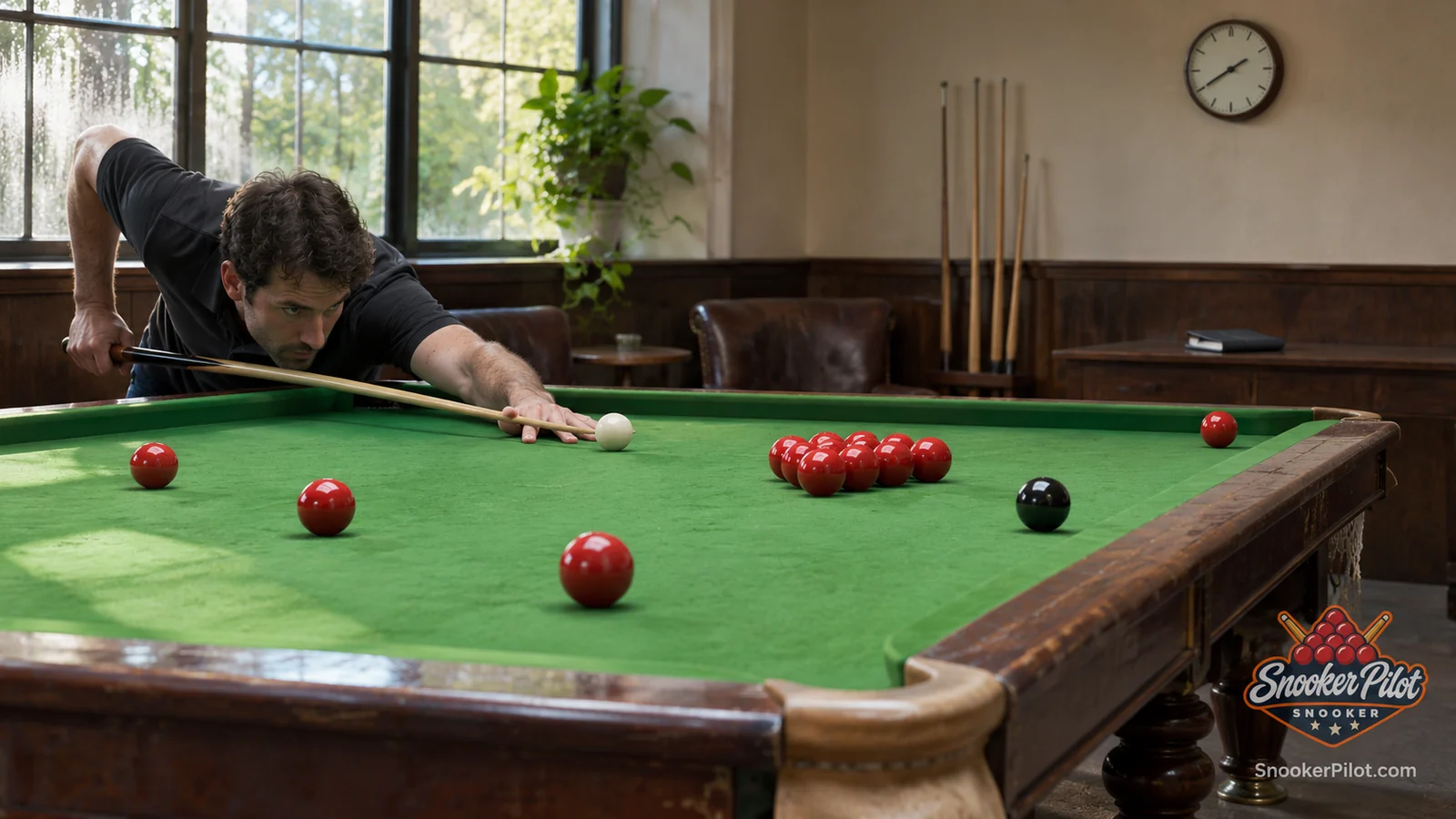
Spend five minutes establishing a baseline
Begin by checking the table is ready and choosing one modest goal. Use simple centre-ball pots to settle your stance and delivery, not to prove how hard you can strike. Notice the pace of the cloth and whether you are moving during the stroke. Keep the same starting positions for a few repetitions. This first five-minute block should leave you with a stable reference. If your time is limited, a clear baseline is more valuable than immediately attempting the hardest shot you missed last week.
Give ten minutes to one potting problem
Choose a shot appropriate to your level and repeat it in small sets. Note attempts and misses on each side. Change only one feature when the basic version becomes reliable, such as moving white slightly farther away. Avoid treating every miss as a reason to redesign the whole stance. If the task is so difficult that you cannot distinguish good attempts from lucky ones, simplify it. The aim of this block is useful feedback, not an impressive-looking table layout.
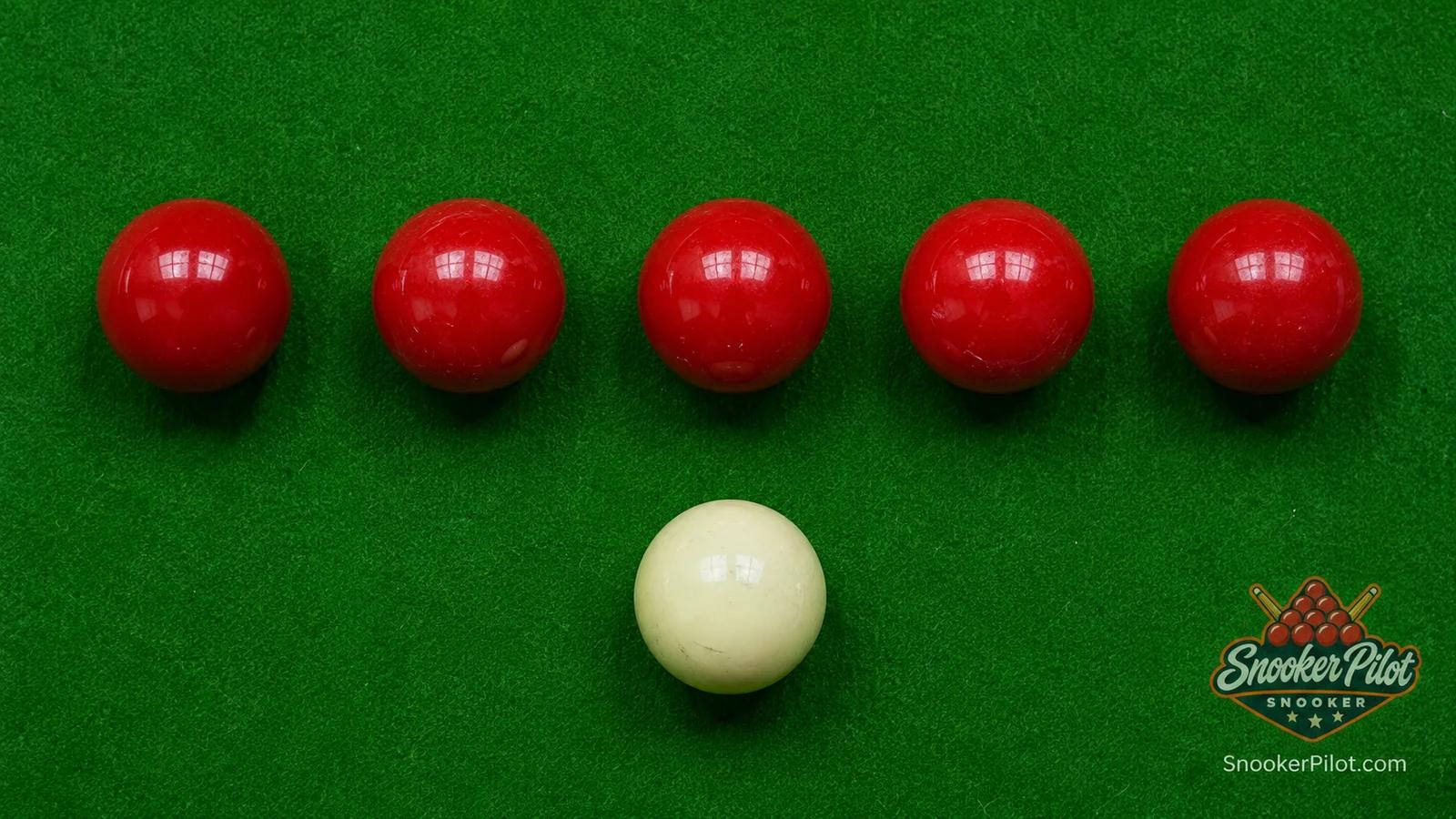
Use ten minutes to connect two shots
Set one red and a colour with clear pockets. Pot the red and try to leave a generous area for the colour; then use the colour to return towards another simple red position. Repeat the transition that fails, rather than endlessly starting from the easiest opening pot. Increase difficulty with distance or angle only after the simple route is repeatable. Keep side spin out initially if it hides whether speed or contact caused the problem. A small two-shot exercise can expose a great deal about cue-ball control.
Finish with five minutes of review
Write down the layout, what improved and the transition to revisit next time. Reset the balls and leave the table ready for the next player. Keep a few comparable notes across weeks rather than collecting dozens of unrelated drills. On another day, you can swap the potting block for safety or rest practice while preserving the same session structure. Solo practice needs deliberate decisions; it does not need every minute to feel like a competitive frame. Stop the exercise when the booked session ends instead of rushing the next player.
At your club with SnookerPilot
SnookerPilot helps the club keep actual table games, player results and scores organized around practice sessions. Keep drill attempt counts and personal practice notes separately rather than generating artificial paid-game receipts. During real games, the TV timer and break display provide useful context; with Club and above, staff can also keep waiting players visible while the next table session is arranged.
Compare the packages