
How to Choose Your First Snooker Cue: A Practical Buying Guide
Choose a first snooker cue by comfort, straightness, tip condition and total cost, with a simple test you can repeat before buying.
Set a budget for the complete setup
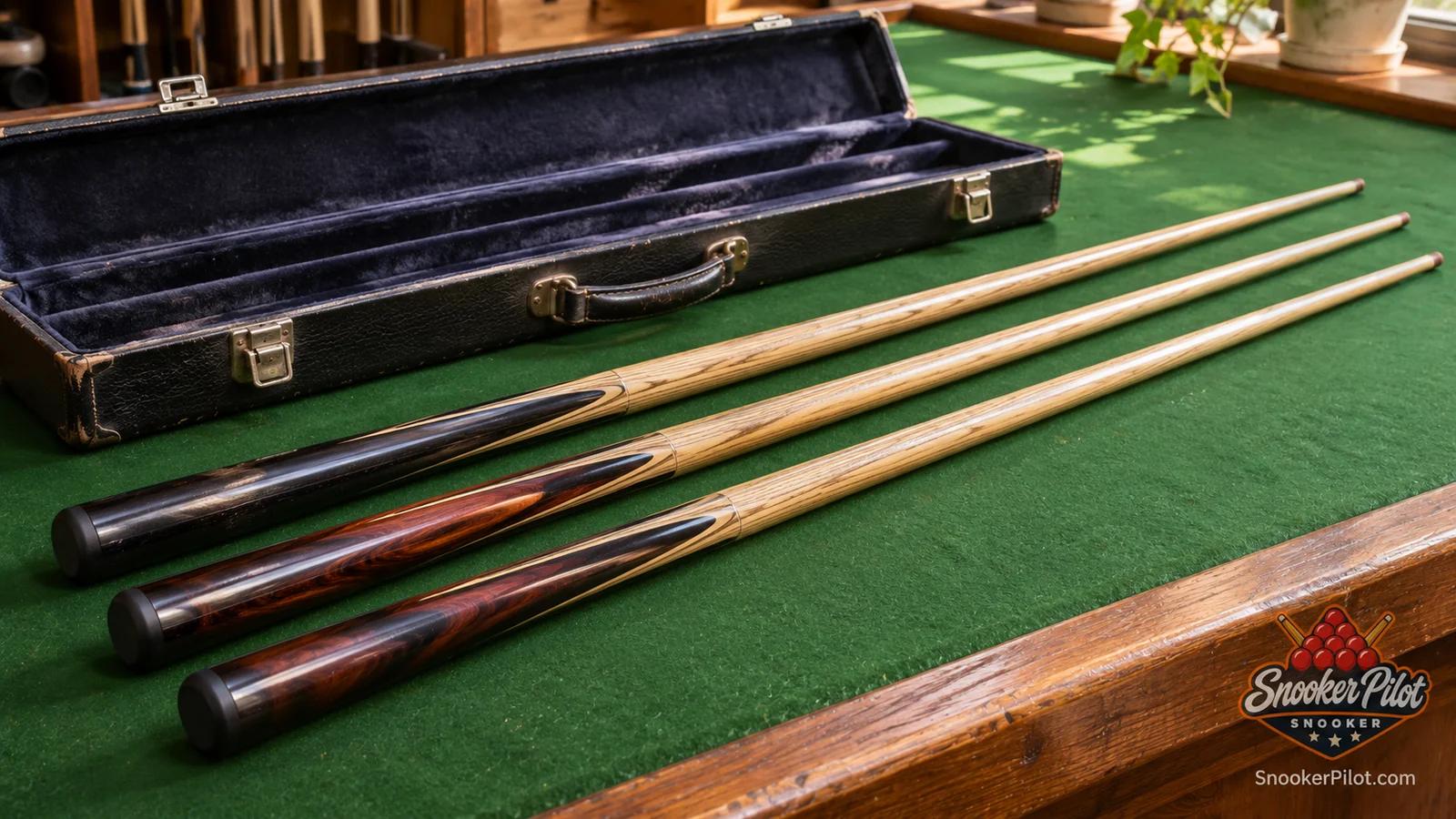
Decide what you can spend on the cue, a suitable case and any extension you genuinely need. A detailed specification does not make a purchase suitable if the overall cost is uncomfortable. Ask the seller about returns, warranty and fitting a replacement tip. For a beginner, the chance to try a few examples is valuable. Keep the same balls and table when comparing cues so unfamiliar conditions do not masquerade as an equipment improvement. A trusted club or specialist retailer can help you narrow the choice.
Try length, weight and balance together
Check whether you can use your normal stance and bridge without crowding the butt or stretching awkwardly. A manufacturer may describe a 58-inch cue as full size, but that is a product specification rather than proof that everyone needs identical dimensions. Weight and balance interact with the way you grip and deliver. Compare simple pots and controlled stops instead of only powerful exhibition strokes. A cue that feels predictable after several ordinary shots is more useful evidence than an impressive first hit.
Snooker Stance, Grip and Bridge: How to Build a Consistent Setup
Inspect the individual cue
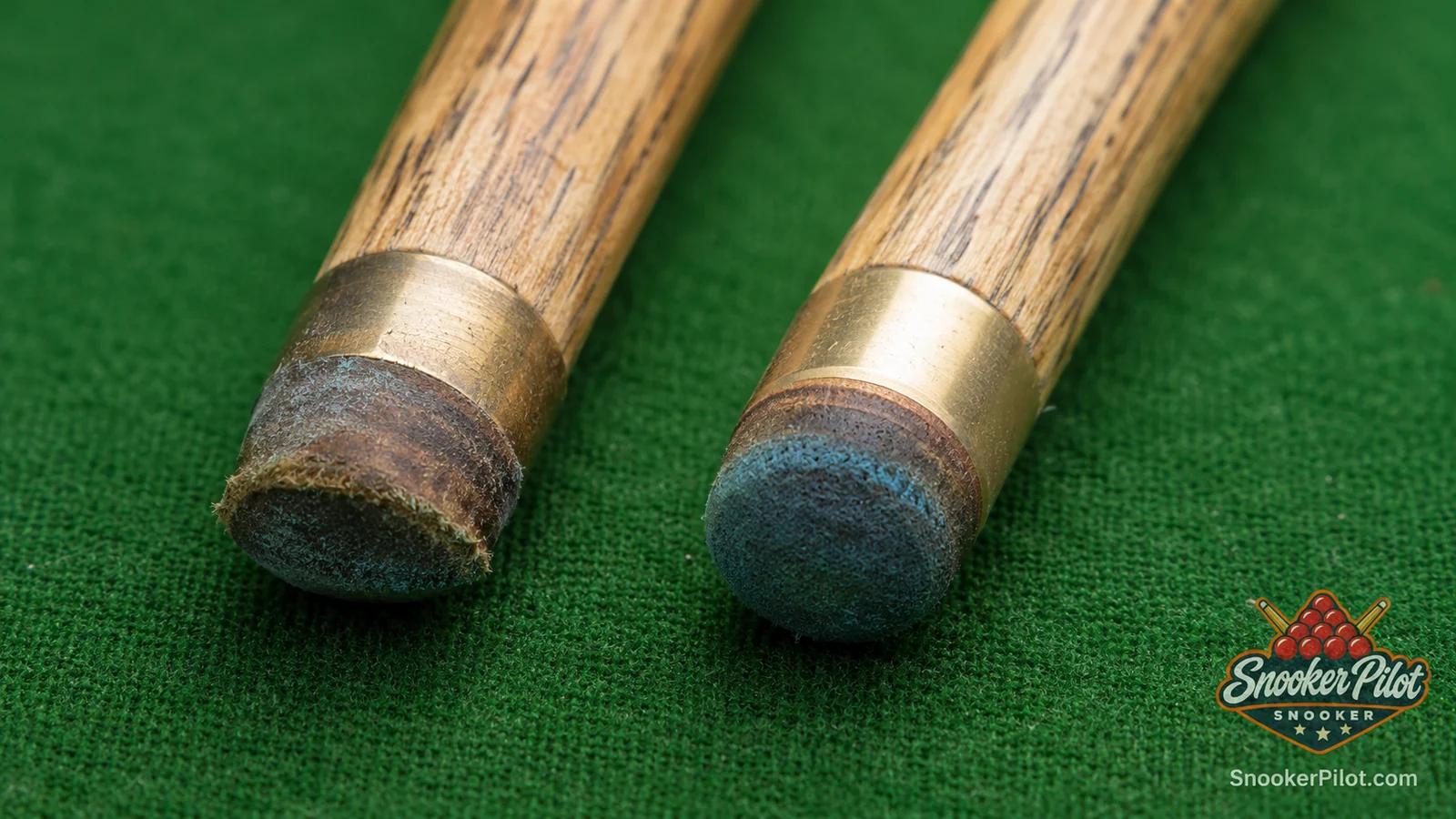
Look along the shaft carefully and check the joint, ferrule and tip for visible problems. Rolling a cue on the cloth is not a reliable complete straightness test; shaft shaping and slight variations can make that misleading. Check that a joint assembles smoothly without forcing it and that the tip has enough usable material. Ask permission before testing equipment and follow the retailer’s inspection process. Decoration, endorsements and exotic materials should come after these practical checks, not replace them.
Choose something you can maintain
Learn the seller’s storage and cleaning guidance and make sure a case fits the cue’s joint arrangement. A one-piece cue and a three-quarter-jointed cue need different transport planning. Keep the cue away from avoidable heat and damp and arrange professional tip work when needed. Once bought, give yourself time to adapt before changing several specifications again. A first cue is a stable tool for developing technique, not a contract that you must immediately produce a higher break.
At your club with SnookerPilot
SnookerPilot can keep a player’s local profile, results and best breaks consistent as they move from house cues to their own equipment. Use that history as context across real games rather than proof that one cue caused improvement. The app manages scoring and club tables; maintain personal cue specifications and equipment-care notes separately. Club and higher plans add waiting queues and tournaments as the player becomes more involved.
Compare the packages