
Touching Ball in Snooker: What You Can and Cannot Do
Learn what a touching-ball call means, when you must play away and why the ball on still matters when white rests against another ball.
Distinguish physical contact from the ruling
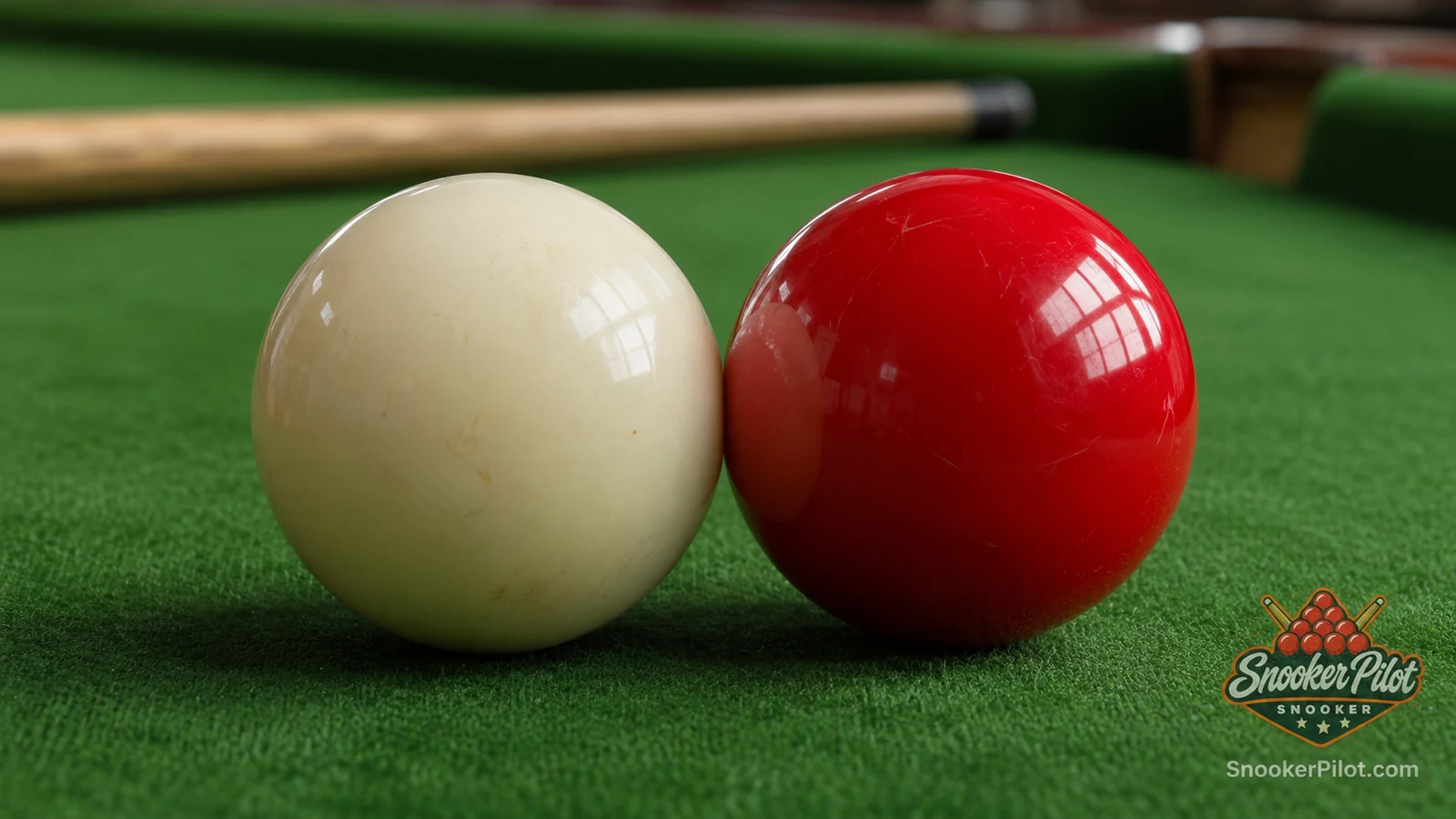
When the cue ball finishes against another ball, stop and clarify the situation before playing. The official touching-ball procedure concerns the relevant ball on or a ball that could be on; not every physical contact produces the same legal effect. The referee identifies the touching ball or balls. If there is no referee, ask your opponent to inspect the position before you get down to the shot. Do not press or nudge either ball to test the gap.
Play away without causing the touching ball to move
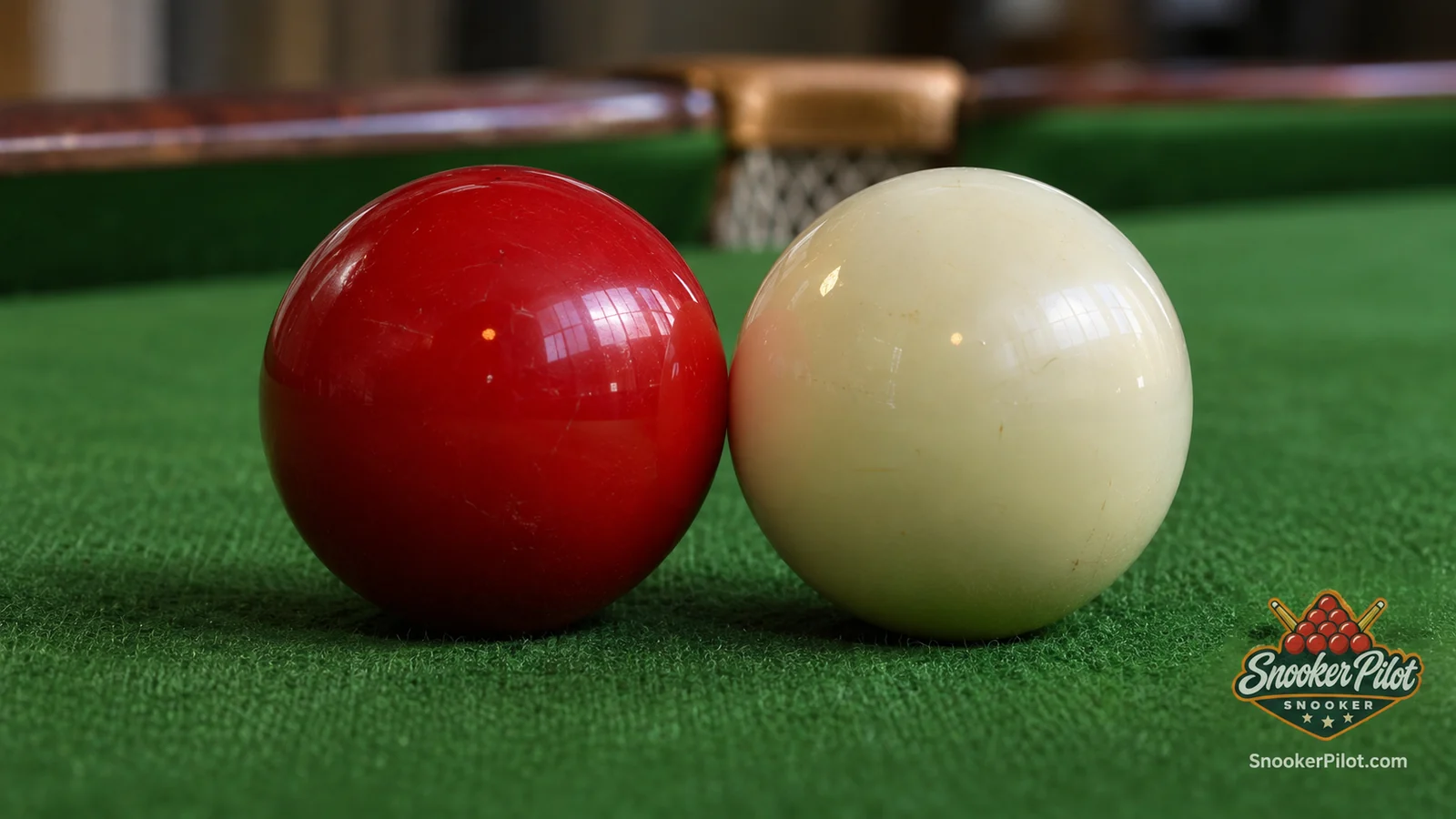
The central practical instruction is to play away from the touching ball without moving it. When the touching ball is on, the rules can treat the necessary contact as already satisfied, so striking that ball again is not the objective. Moving a touching ball through your stroke can create a push or other foul. A tiny movement that was not caused by the striker can be a different refereeing matter. Let the referee decide rather than assuming that any observed roll is automatically a foul.
Keep the ball-on requirement clear
Suppose white is touching a red when red is on. A legal play-away can satisfy the contact requirement without white needing to hit another red. That does not turn a colour into a legal scoring ball during a red-on stroke. If white is against a ball that is not on, you must still make the required legal first contact while avoiding a foul. Positions touching multiple balls, or colours after a red, require particular care over nomination and which balls could be on. Read those details in the official rules.
Practise the decision before the difficult stroke
Use a quiet training session to compare touching-red and touching-colour positions with a coach or experienced referee. Ask three questions: which ball is on, which balls are touching, and what must the cue ball legally do next? Then plan the stroke with enough clearance to avoid an accidental push. During a match, announce the ruling and nomination clearly before the shot. A photograph can help discuss a training position later, but it is not a substitute for inspecting contact at table level.
At your club with SnookerPilot
A touching-ball call does not itself add points. In SnookerPilot, leave the score unchanged until the ensuing stroke produces a legal score or a ruled foul. Record the actual result using the normal scoring controls, and use undo only to correct an entry. This keeps the TV display, local game history and the decision made at the physical table consistent.
Compare the packages