
What Happens When the Scores Are Tied on the Final Black?
Understand the re-spotted black, who plays first, where the cue ball starts and how a tied snooker frame is decided.
Confirm that the frame is actually tied
Check both scores after the final black and any applicable penalty have been recorded. Being seven points behind with black remaining is not yet a tie: the black still has to be played. Under the ordinary two-player rules, black as the only remaining object ball has special frame-ending conditions. If the scores are equal after the relevant final scoring event, a re-spotted black can decide the frame. Review a disputed entry before setting up the decider; correcting arithmetic afterwards can invalidate the whole conversation.
Set up the deciding black
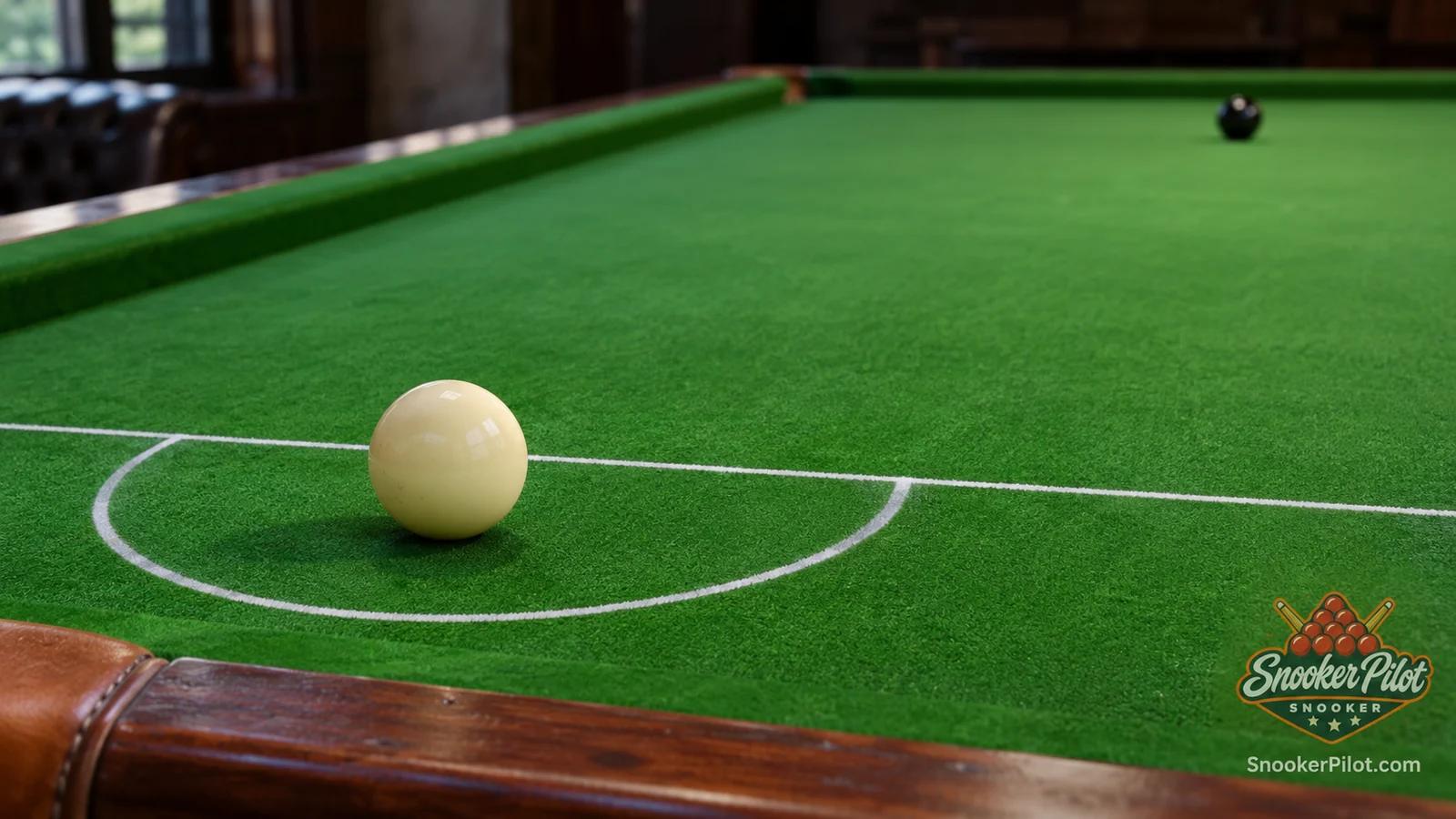
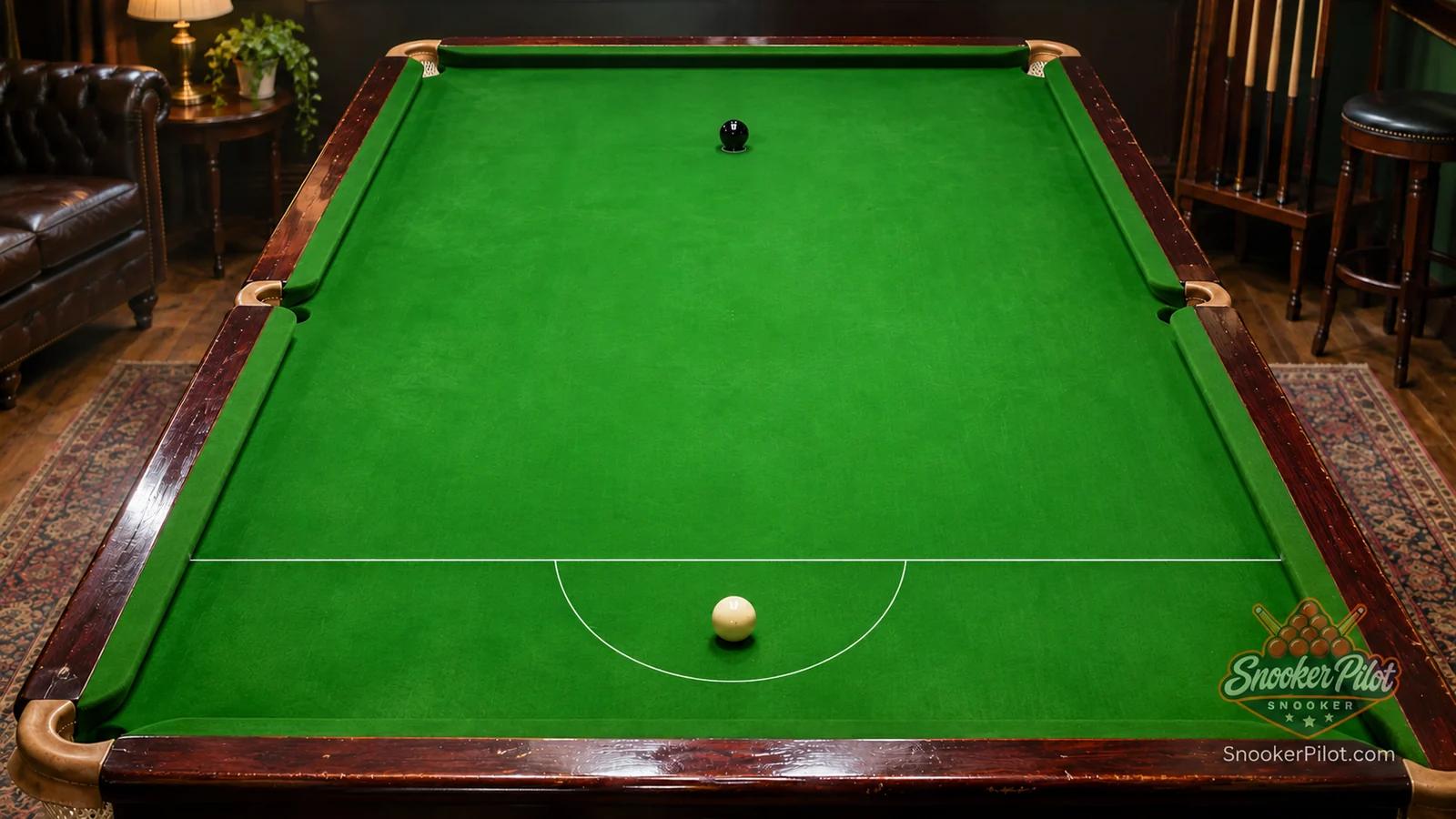
The black is placed back on its spot. The players draw lots, and the winner chooses who plays first. The first striker has the cue ball in hand within the D. This is not the same as placing white anywhere on the table. The original player order does not automatically settle the choice. Make the selection clear, position the black accurately and let the first player choose a legal starting point inside the D before beginning the deciding passage.
A foul can decide it as well as a pot
In the normal re-spotted-black decider, the first legal score or foul determines the frame. A player who pots black legally wins; a player who commits the deciding foul loses. That is why potting white while attempting an aggressive black is so costly. Ordinary legal safety exchanges can continue without a score. Think about cue-ball control and the position left if the pot misses, not just whether the black looks tempting. Do not import a sudden-death rule from another cue sport.
Keep match results separate from the decider
A re-spotted black decides a frame, not automatically an entire match. It ends the match only if that frame supplies the required final win. Team competitions using aggregate scores or particular event conditions may have additional provisions; use their published rules. In a club game, record the decided frame result once, rather than treating the re-spot as an extra frame. Announce the final score and frames won before the next game begins. This keeps league sheets, club records and the scoreboard consistent.
At your club with SnookerPilot
Use SnookerPilot’s large scores and ball history to verify the tie before ending the game. Keep the same frame open while the deciding black is played and enter the agreed outcome accurately. The tablet then retains the completed game record. SnookerPilot helps staff present and save the result; the players or referee still draw lots, place the balls and apply the deciding-foul rule.
Compare the packages